
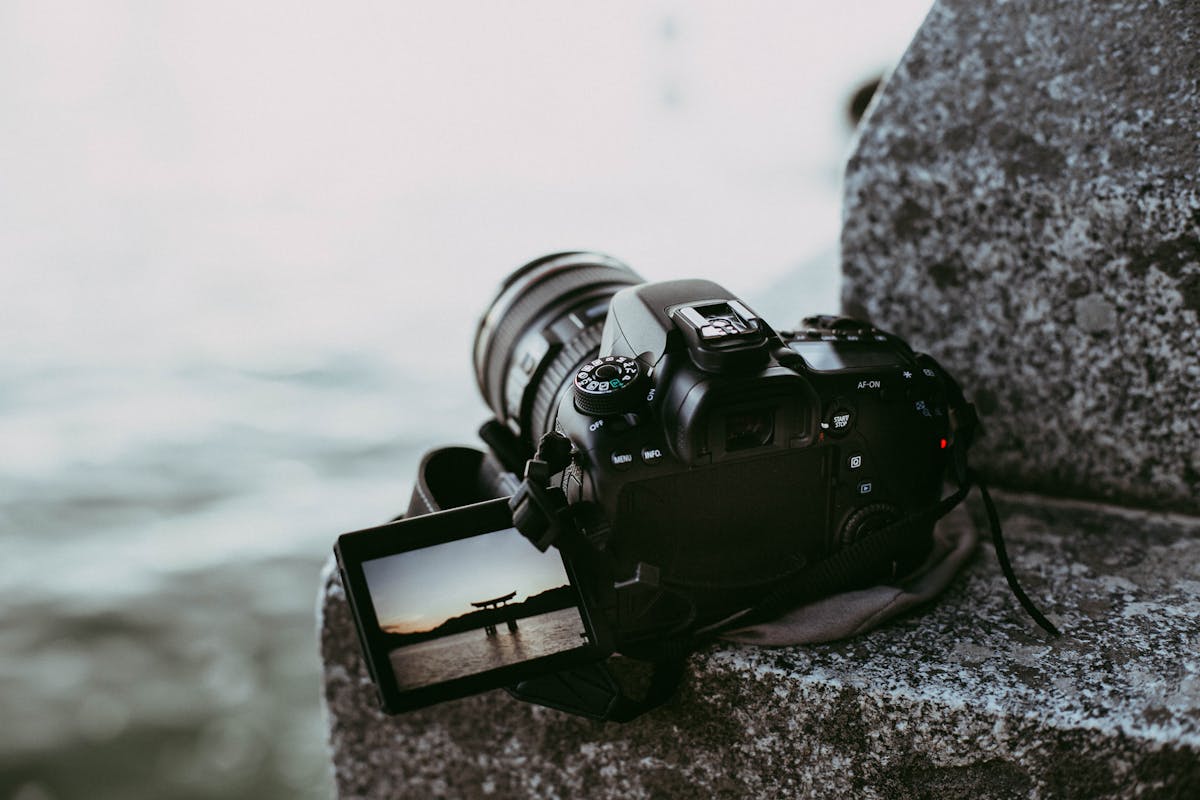
Starting your photography journey is both exciting and overwhelming. With so many techniques, styles, and inspirations available, it can be difficult for beginners to know where to start. The good news is that creativity in photography does not depend on owning the most expensive equipment—it’s about experimenting, observing, and finding your unique perspective. By trying out different ideas, new photographers can sharpen their skills while building confidence behind the lens.
Experiment with Angles and Perspectives
One of the easiest ways to create visually interesting photographs is to change the angle or perspective. Most beginners shoot at eye level, but crouching low, shooting from above, or tilting the camera slightly can drastically change the mood of an image. For example, photographing a city street from the ground level makes buildings look towering and dramatic, while an overhead shot of a table setting brings out details that might otherwise go unnoticed. The more you play with perspective, the more you train your eye to see beyond the obvious.
Play with Reflections
Reflections are an excellent creative tool. Look for them in puddles, windows, or shiny surfaces to add symmetry and depth to your shots. A simple reflection of a sunset in a glass building can turn an ordinary city scene into something extraordinary. Beginners can also experiment with mirrors at home to create unique portraits or still-life compositions. Reflections add a sense of mystery and can make even simple subjects more captivating.
Use Natural Light Creatively
Learning to use natural light is one of the most important steps in photography. Early morning and late afternoon light, also known as golden hour, casts soft, warm tones that flatter subjects. Midday light, while harsher, can create dramatic contrasts and strong shadows. Try photographing the same subject at different times of the day to see how light transforms the mood. You can also experiment indoors by placing subjects near windows or using sheer curtains to diffuse light for a softer effect.
Capture Everyday Details
Great photography does not always require grand subjects. Everyday details often tell the most authentic stories. Beginners can practice by photographing coffee cups, notebooks, street signs, or the shoes on their doorstep. Close-up shots of textures like wood, fabric, or plants also reveal details that the naked eye often overlooks. By paying attention to the small things, you develop a habit of seeing beauty in the ordinary.
Experiment with Motion
Photography often freezes moments in time, but experimenting with motion adds a new dimension. You can capture movement sharply using fast shutter speeds—like a runner mid-stride—or create motion blur with slower shutter speeds, which works beautifully with waterfalls, passing cars, or people walking through a busy street. Panning, where you move the camera with a moving subject, also creates dynamic results and is a fun way for beginners to experiment with technical skills.
Use Props for Creativity
Props can make photography playful and imaginative. Balloons, books, flowers, or colorful fabrics add personality to portraits and still-life images. Even simple items like a pair of glasses or a cup of coffee can give context to a shot and spark ideas. At social events, setups such as photo booth rental San Antonio often use quirky props to encourage people to pose creatively, proving how props can instantly make photography more engaging and fun. Beginners can bring this same idea into personal projects by adding small elements that enhance storytelling.
Explore Black and White Photography
Black and white photography strips away color, forcing both the photographer and the viewer to focus on composition, lighting, and emotion. Beginners can experiment by converting ordinary color shots into monochrome to see how the mood changes. Portraits often look more dramatic in black and white, while landscapes gain a timeless quality. Practicing with monochrome photography also improves your understanding of contrast and tonal range.
Try Self-Portraits and Portraits of Friends
Working with human subjects is one of the best ways to practice photography. Self-portraits encourage experimentation because you have complete control over the subject and the setup. Use a tripod, timer, or remote shutter release to capture different moods and poses. Photographing friends or family also helps build communication skills—directing subjects, making them comfortable, and capturing authentic expressions are all part of the learning process.
Practice Minimalism
Minimalist photography focuses on simplicity, often using negative space to highlight the subject. Beginners can try photographing a single object against a plain background, such as a chair against a blank wall or a flower on an empty table. This approach emphasizes clean composition and teaches the importance of visual balance. Minimalism also helps beginners recognize how less can often be more in photography.
Join Photography Challenges
One of the best ways to push creativity is to join photography challenges, whether through online communities or local clubs. Prompts like “shadows,” “circles,” or “motion” encourage you to think outside the box and approach photography with fresh eyes. Challenges also provide feedback and inspiration from others, which helps you grow faster as a beginner.
Conclusion
Photography is as much about experimentation as it is about technical skill. Beginners should embrace creativity by trying new perspectives, using light in different ways, and incorporating everyday details into their work. Exploring motion, props, black and white imagery, and minimalist approaches provides countless opportunities to learn. Whether you are capturing portraits of friends, reflections in puddles, or joining photography challenges, each experiment brings you closer to discovering your personal style. The most important lesson for beginners is to stay curious, practice consistently, and never stop exploring the endless possibilities that photography offers.