
Key Takeaways
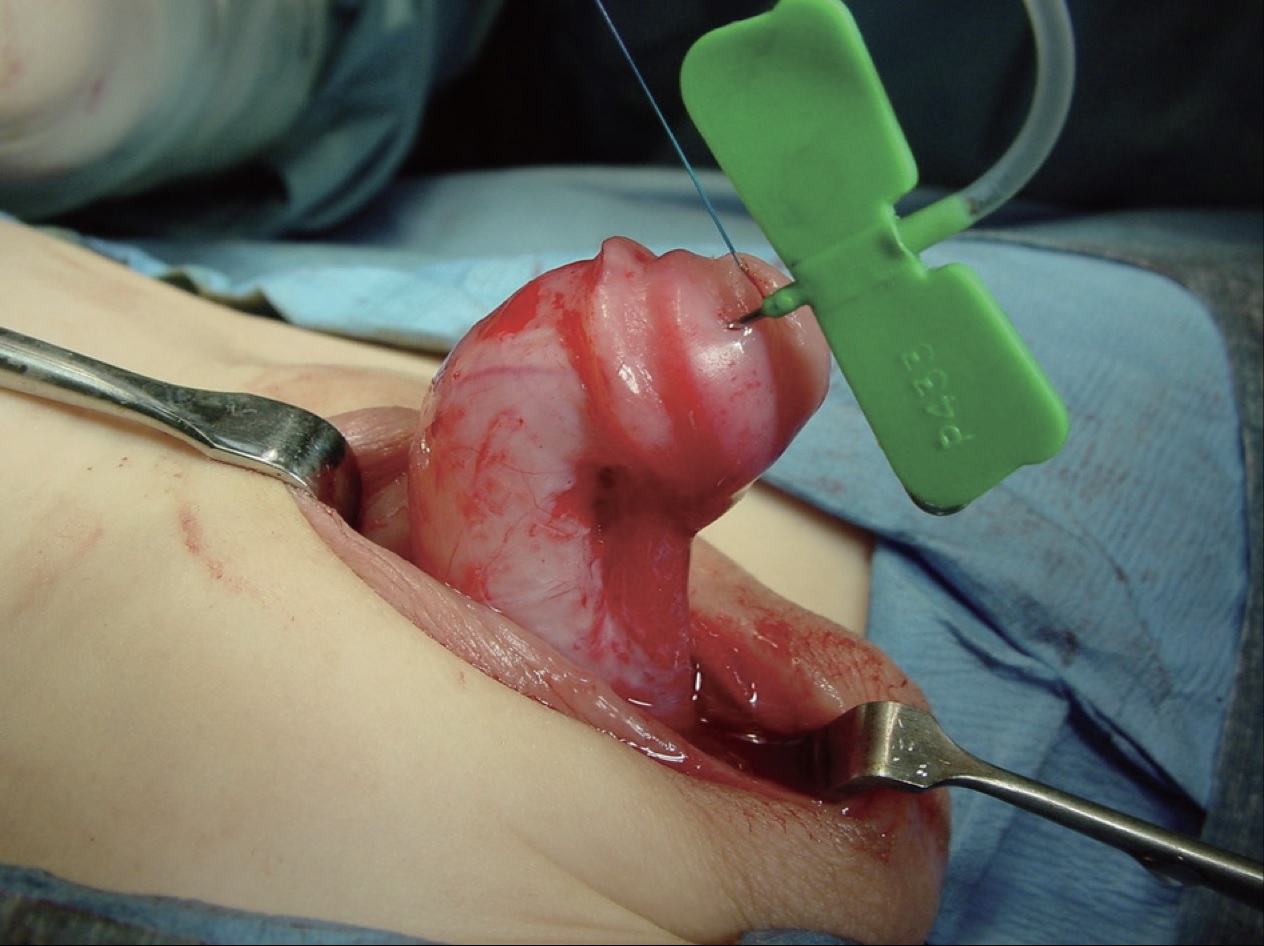
Chordee, which is often associated with hypospadias, can significantly influence both physical and emotional development. This condition can create confusion and frustration for young boys, potentially affecting their self-esteem and social interactions.
The symptoms of chordee may include a noticeable curvature of the penis during erection, issues with urination, and signs of emotional distress. Parents should not hesitate to seek professional advice if they observe any of these symptoms.
Thanks to advancements in medicine, minimally invasive surgical techniques for chordee repair are now standard practice. These approaches lead to quicker recovery times, reduced pain, and minimized scarring, as they are tailored specifically to the individual child’s needs.
Ensuring proper post-operative care is vital for recovery. Parents are advised to keep the surgical site clean, follow medication instructions, and attend all follow-up appointments to monitor their child’s healing process.
Being aware of complications, such as increased swelling, persistent fever, and unusual bleeding, allows parents to act swiftly and potentially avert serious issues following surgery.
Finally, consistent monitoring of both emotional well-being and physical development post-treatment is crucial, as these factors can heavily influence future self-esteem and social interactions throughout childhood and puberty.
Numerous positive testimonials from parents highlight the profound impact effective treatment for chordee can have, underscoring the importance of timely interventions and ongoing support for a child’s emotional and physical growth.
The Impact of Chordee on Child Development
Understanding the Physical and Emotional Effects
Chordee is a condition most commonly linked to hypospadias, and it can have deep repercussions on a child’s overall development. Many parents might not fully grasp its effects. For instance, the abnormal curvature of the penis during erection not only impacts physical health but also leads to emotional challenges. Young boys can feel confused, frustrated, or embarrassed. Experts note that these emotions are quite common. It’s not unusual for children to struggle with self-esteem and social interactions that should be carefree.
Furthermore, physical discomfort can present difficulties as well. It can interfere with normal urination, complicating even basic tasks like toilet training. Research indicates that effective treatment for chordee does more than correct anatomically; it can also bolster the child’s confidence. Addressing the issue early on can prevent complications related to puberty, paving the way for healthier emotional and social development.
Signs Parents Should Look For
Some indicators of chordee may initially be overlooked. However, parents can be vigilant. Often, variations in the shape of the penis become noticeable during key developmental milestones. Some primary signs to monitor include:
- A noticeable curvature of the penis, particularly when erect.
- Difficulties with urination, such as spraying or hesitance.
- Experiencing pain or discomfort during erections, which may later lead to anxiety regarding intimacy.
- Signs of emotional distress, including behavioral changes or withdrawal from social situations.
Recognizing these signs paves the way for professional guidance. Early intervention is crucial, as it significantly enhances the likelihood of favorable outcomes. The quicker treatment commences, the lower the risk of complications arising.
Innovative Surgical Techniques for Chordee Repair
Minimally Invasive Options Explained
Those days of invasive surgical methods are now behind us. Modern surgical techniques for chordee repair utilize minimally invasive practices that accelerate recovery and lessen discomfort. Surgeons have adopted advanced methods, typically leading to faster recoveries and decreased scarring. One notable technique involves a combination of several approaches tailored to the unique needs of each child.
Particularly noteworthy is the growing use of endoscopic methods. These allow for smaller incisions, effectively addressing penile curvature without causing excess trauma to the surrounding tissues. This innovation shortens healing time and lowers the risk of post-operative infections.
Surgeons are reporting consistently positive outcomes with these contemporary techniques. Parents can generally expect:
- Reduced post-operative pain, thanks to nerve-sparing methods.
- Minimized scarring, which can make social reintegration easier for young boys.
- Enhanced functionality, given that many surgeries can address concomitant issues like inguinal hernias.
What to Expect from the Procedure
Preparation for surgery can feel quite extensive. From initial consultations to thorough pre-surgical assessments, every detail plays a critical role. Parents are typically provided with comprehensive explanations concerning the procedure. Many find themselves surprised by the level of customization involved in devising a surgical plan. Generally, the process unfolds as follows:
- Consultation: The family engages with the surgical team to discuss any concerns and explore options.
- Preoperative workup: Various tests are conducted to ensure the child’s overall health is optimal.
- Day of surgery: Procedures typically last just a couple of hours, and parents can anticipate a relatively swift recovery period.
Moreover, the surgical day is structured to minimize anxiety. Many facilities create child-friendly settings that help ease stress. Waiting areas often focus on family comfort, benefiting both the child and the parents. Throughout the process, maintaining open lines of communication is paramount.
Post-Operative Care: Ensuring Optimal Recovery
Critical Steps for Parents After Surgery
The importance of post-surgery care cannot be overstated. Following the procedure, the emphasis shifts to monitoring recovery and any potential complications. While surgeons provide a comprehensive recovery guide, essential tasks include:
- Maintaining cleanliness and dryness of the surgical area to encourage healing.
- Administering prescribed medications as instructed.
- Attending scheduled follow-up appointments to assess healing progress.
Parents often have numerous questions. For instance, how soon can the child resume regular activities? What should be done if complications arise? Generally, children are able to return to light activities within a week, but full participation in play or sports might take longer, depending on their healing status. Open communication with the pediatrician is key to addressing any concerns as they arise.
Signs of Complications to Watch Out For
While most surgeries proceed smoothly, being aware of possible complications is crucial. Parents should remain alert for specific signs that could indicate a problem, including:
- Increased swelling around the surgical site, which may signal infection.
- A persistent fever that doesn’t respond to treatment.
- Excessive bleeding or changes in urine color.
Parents need to stay vigilant. Prompt action can often resolve complications before they escalate.
Recognizing these warning signs empowers parents. In matters concerning a child’s health, knowledge is truly powerful.
Long-Term Outcomes: What Families Should Know
Tracking Development After Treatment
Improving anatomical structure is only one part of the equation. The pressing question that arises afterward is: what’s next? If left unaddressed, chordee can lead to enduring issues that extend beyond just physical traits. Monitoring development post-treatment thus becomes paramount.
Numerous experts advocate for consistent check-ins as children mature. This approach ensures that emotional well-being and physical functions remain within normal limits. Typical developmental milestones that professionals tend to observe include:
- Psycho-social adjustments as they engage in social environments.
- Physical changes during puberty, including modifications in curvature.
- Perceptions regarding self-esteem and body image that can affect interactions with peers.
Such vigilance ensures a holistic approach to patient care. Treatment doesn’t end at the operating room door; it continues throughout various developmental stages.
Parent Testimonials: Real-World Success Stories
Personal stories frequently illuminate the experiences of families navigating this journey. Numerous parents speak of transformative experiences following surgical intervention. One mother recounts: “The anxiousness prior to the surgery was tremendous, but now my son is flourishing. He enjoys playing soccer just like any other kid.” Testimonials like these carry deep resonance.
They underscore the profound impact of quality treatment. Investments—financial, emotional, and physical—can yield fruitful outcomes. Witnessing their child’s growth in confidence and ability brings immense relief to parents. Each positive outcome reaffirms the significance of timely interventions and expert care.
In the end, exploring treatment options for chordee guides families toward brighter health outcomes. Ongoing support and education equip parents with the knowledge they need at every stage of the process.
FAQ
What are the long-term effects of untreated chordee?
If left untreated, chordee can give rise to serious emotional and physical complications. As children develop, they might encounter ongoing challenges related to self-esteem, difficulties in relationships, and social withdrawal. These consequences can persist well into adulthood, reinforcing the necessity for prompt treatment.
How can parents support their child’s emotional well-being post-surgery?
To nurture emotional health, open lines of communication, encouragement, and validation of feelings are vital. Connecting with school counselors or pediatric mental health professionals can also play a significant role, aiding children in processing their experiences in a constructive manner.
What specific activities should be avoided during recovery?
During recovery, it’s important to avoid high-impact activities like sports, rough play, or anything that could place strain on the surgical area. Generally, parents are advised to limit physical exertion for at least 2-4 weeks or until the healthcare provider has given the green light.
How do surgeons decide on the best surgical technique for a child?
Surgeons take a close look at the child’s unique anatomical characteristics and the severity of the chordee. Detailed assessments during consultations help the surgical team craft a personalized approach, aimed at optimizing results while minimizing recovery time.
What role does follow-up care play after chordee surgery?
Follow-up care is crucial for ensuring proper healing and addressing any issues that may arise. Regular appointments enable healthcare providers to monitor recovery and adjust care plans as necessary to achieve the best long-term outcomes.
Can chordee recur after surgical treatment?
Although recurrence is rare, it’s a possibility. Factors such as the original severity of the condition and genetic predispositions might affect this. Careful monitoring post-operatively helps to reduce this risk.
What types of specialists are involved in chordee treatment?
Typically, chordee treatment involves urologists who focus on pediatric patients. Nevertheless, a multidisciplinary team may also encompass psychologists, pediatricians, and surgical nurses, providing comprehensive care that addresses both physical and emotional needs.
How can families manage the financial aspects of chordee treatment?
Families are encouraged to discuss coverage options with their healthcare provider and insurance company, seeking financial assistance programs as necessary. Many clinics offer payment plans to ensure easier access to required treatments and ongoing care.
Useful Resources
- American Academy of Pediatrics
- American College of Obstetricians and Gynecologists
- Urology Care Foundation
- March of Dimes
- Living with Hypospadias
- Eunice Kennedy Shriver National Institute of Child Health and Human Development
- Pediatric Urology Network
- KidsHealth by Nemours
- Psychology Today