
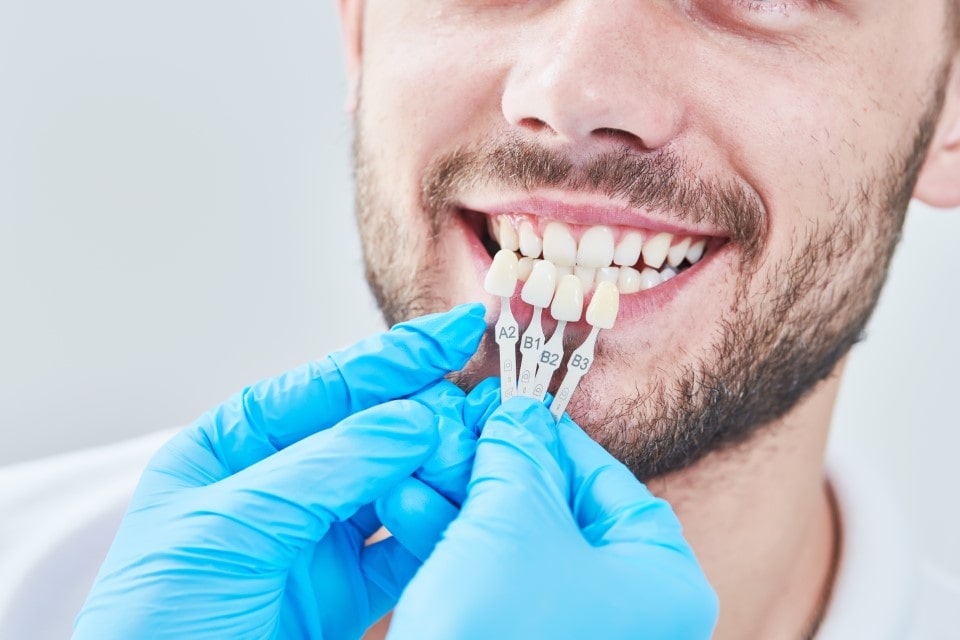
A dental veneer is a precise piece of clinical craftsmanship designed to improve the shape, shade, and alignment of teeth while protecting the surface beneath. In London, where patients expect long-term value from cosmetic work, the real question is not simply how veneers look on day one, but how long they last and what keeps them performing well. Veneer longevity depends on a mix of biological, behavioural, and technical factors that start before the first tooth is prepared and continue long after the final polish. Understanding these factors helps patients make informed decisions and reduces the risk of unexpected replacement or repair. Many people researching cosmetic dentistry also look at other options, but veneers remain a popular choice when natural teeth are structurally sound and only need enhancement.
A short professional perspective on this issue comes from Dr. Sahil Patel cosmetic dentist in London at MaryleboneSmileClinic. He notes that many London veneer failures arise not from the materials themselves but from poor planning or aftercare, and patients who want reliable results should educate themselves before treatment. He advises readers to review clinical guidance and patient information on his clinic’s website and says that those who search will find detailed explanations of how preparation techniques, bite assessment, and maintenance routines all contribute to veneer lifespan.
Material quality and the science behind veneer durability
The first and often most underestimated factor in veneer longevity is the quality of the material used. Modern veneers are typically made from either porcelain or composite resin, and while both can provide attractive results, they behave very differently over time. Porcelain veneers are fired in a laboratory to create a dense, glass-like structure that resists staining and surface wear. Composite veneers are layered directly on the tooth and rely more heavily on the skill of the clinician, but they are generally more prone to discolouration and chipping. A patient who chooses porcelain is usually investing in a longer service life, provided the veneer is properly bonded and maintained.
The way a veneer is manufactured also matters. High-quality dental laboratories use computer-aided design and controlled firing processes to achieve precise thickness and fit. When a veneer fits closely to the tooth, there is less space for bacteria and plaque to accumulate at the margins, which reduces the risk of decay or debonding. Poorly fitted veneers, even if made from excellent materials, are more likely to fail prematurely because tiny gaps can compromise the adhesive bond and allow moisture to seep in.
Adhesives and bonding protocols are another part of the material equation. Dental cements are not all the same, and newer generations offer stronger bonds and better resistance to moisture contamination. A veneer bonded with outdated or inappropriate cement may loosen long before the ceramic itself shows any sign of wear. Clinics that invest in up-to-date bonding systems and follow strict isolation procedures during placement tend to achieve much longer-lasting results.
Material science also intersects with a patient’s individual biology. Some people produce more acidic saliva, which can slowly erode composite materials and weaken bonds. Others have enamel that bonds particularly well to modern adhesives, giving their veneers a natural advantage. These variations mean that even with the best materials, a personalised approach is necessary to predict how long veneers will realistically last.
Tooth preparation, bite alignment, and structural support
Veneers do not exist in isolation; they rely on the underlying tooth and the way it meets opposing teeth to stay intact. Tooth preparation is therefore a critical determinant of longevity. A well-prepared tooth preserves as much healthy enamel as possible while creating enough space for the veneer to sit without being bulky. Enamel is the ideal surface for bonding, so when preparation removes too much of it, the veneer has to adhere to dentine, which is weaker and more prone to moisture. This can shorten the lifespan of even a high-quality porcelain shell.
Bite alignment is equally important. If a veneer is placed on a tooth that takes too much force when you bite or chew, it is more likely to crack or debond. Dentists who carefully analyse how the upper and lower teeth come together can adjust the shape of veneers to distribute forces evenly. This may involve subtle reshaping of other teeth or changes to the veneer design so that no single tooth bears the brunt of everyday chewing.
Patients with grinding or clenching habits, known as bruxism, are at higher risk of veneer damage. In these cases, longevity depends on whether protective measures such as night guards are used. A custom-fitted guard absorbs the excessive forces generated during sleep and prevents them from being transmitted directly to the veneers. Without this protection, even the best-designed restorations can fail early.
Structural support also includes the health of the tooth’s root and surrounding bone. Teeth that have large fillings, root canal treatments, or previous fractures may not provide a stable base for veneers. In such situations, a dentist might recommend alternative treatments, sometimes even considering options similar to those offered by a dental implant London clinic, to ensure long-term stability rather than simply placing a veneer on a compromised tooth.
Oral hygiene, lifestyle, and everyday wear
Once veneers are in place, the responsibility for their longevity shifts partly to the patient. Oral hygiene plays a direct role because plaque and bacteria can build up around the edges of veneers just as they do around natural teeth. If this is not controlled with regular brushing, flossing, and professional cleaning, decay can develop underneath or at the margins, weakening the bond and leading to failure. Veneers themselves do not decay, but the teeth supporting them certainly can.
Diet and lifestyle choices also have a measurable impact. Porcelain is highly stain resistant, but composite materials can absorb pigments from coffee, tea, red wine, and tobacco. Even porcelain veneers can suffer from surface roughening if exposed to acidic drinks over long periods, making them more likely to attract stains. Patients who frequently consume these substances should be aware that their veneers may need polishing or replacement sooner than expected.
Physical habits are another area of concern. Using teeth to open packaging, biting fingernails, or chewing on hard objects like ice places unnecessary stress on veneers. These actions can cause microcracks that grow over time, eventually leading to visible chips or fractures. Being mindful of how you use your teeth is a simple but effective way to extend the life of cosmetic work.
Regular dental check-ups tie all of these factors together. A dentist can spot early signs of wear, margin breakdown, or bite changes and intervene before they become serious problems. Patients who see their dentist consistently often get many more years out of their veneers than those who only return when something feels wrong.
Professional maintenance and the role of follow-up care
Veneer longevity is not solely determined at the time of placement; it continues to be shaped by the quality of follow-up care. Professional cleaning is essential because dental hygienists have the tools and training to remove hardened deposits that ordinary brushing cannot. They also know how to clean veneers without scratching or dulling their surfaces, which preserves both appearance and structural integrity.
Polishing is another often overlooked aspect. Over time, even porcelain veneers can develop microscopic roughness that makes them more prone to staining. A professional polish restores a smooth surface, helping the veneers look newer for longer and reducing the likelihood of plaque sticking to them. For composite veneers, this step is even more important, as the material is softer and more susceptible to wear.
Follow-up appointments also allow the dentist to reassess the bite. Teeth can move subtly over the years, and changes in how the jaws come together can place new stresses on veneers. Minor adjustments, made early, can prevent significant damage later. This ongoing relationship between patient and clinician is one of the strongest predictors of long-term success.
In London, where patients have access to a wide range of cosmetic and restorative services, it is easy to overlook the value of continuity of care. However, seeing the same practice for reviews and maintenance ensures that the professionals who know your case best are the ones monitoring your veneers. This consistency often translates into better outcomes and fewer surprises over time.
Technological advances and patient expectations
The final set of factors influencing veneer longevity comes from advances in technology and the expectations patients bring to treatment. Digital scanning and smile design allow dentists to plan veneer placement with a level of precision that was not possible in the past. This reduces the risk of misfit and ensures that the final restorations work harmoniously with the patient’s bite and facial structure. When veneers are designed digitally, there is also a permanent record that can be used to reproduce or repair them if needed in the future.
New ceramic materials have also improved durability. Modern porcelains are stronger and thinner, meaning less tooth has to be removed to accommodate them. This preservation of enamel supports better bonding and, in turn, longer-lasting results. Patients who receive veneers made from these advanced materials are generally more likely to enjoy a decade or more of service without major issues.
Patient expectations, however, can either support or undermine longevity. Those who understand that veneers require care and realistic use tend to treat them appropriately. Patients who assume that veneers are indestructible may be disappointed when lifestyle habits take their toll. Clear communication before treatment helps align expectations with reality and reduces the risk of neglect.
In some cases, patients comparing cosmetic options also explore treatments offered by a dental implant London provider, particularly if teeth are missing or severely damaged. While implants and veneers serve different purposes, both rely on careful planning, high-quality materials, and ongoing care. When patients approach veneers with the same level of commitment they would give to more complex restorative work, they are far more likely to enjoy stable, attractive results for many years.
By understanding how materials, preparation, hygiene, maintenance, and technology interact, patients in London can make informed choices about veneers. Longevity is not a matter of chance but the result of coordinated decisions and consistent care, making veneers a reliable and enduring option for those who approach them thoughtfully.