
Key Takeaways
To be eligible for plasma donation, individuals must be at least 18 years old and weigh a minimum of 110 pounds (50 kg). This ensures safety throughout the donation.
Potential donors may be disqualified due to medical conditions such as diabetes, heart disease, or certain medications like blood thinners.
Preparation for donating plasma entails scheduling appointments, ensuring adequate rest, and dressing comfortably to facilitate the process.
Staying hydrated and eating protein-rich foods 24 hours before donation enhances plasma quality, making the extraction process more efficient.
The donation process includes health screenings, the actual extraction of plasma—which lasts between 30 minutes to an hour—and refreshments post-donation for recovery.
Compensation for plasma donation typically falls in the range of $50 to $75 per appointment, with potential increases for regular donors, providing a concrete incentive for contributions.
Regular plasma donation contributes to improved cardiovascular health, encourages routine health checkups, and nurtures a sense of community and purpose among donors.
What Are the Key Eligibility Criteria for Plasma Donation?
Minimum Age and Weight: What You Need to Know
Eligibility to donate plasma begins with fulfilling basic criteria, which include the requirements to donate plasma. Age is a crucial factor, as individuals must be at least 18 years old. Some centers may permit donors starting at 17, but only with parental consent. This requirement emphasizes the importance of mature decision-making when it comes to health risks and the donation process.
Weight is another critical consideration. Candidates must weigh at least 110 pounds (50 kg) to ensure their bodies can handle the plasma extraction safely. Heavier individuals might have a higher plasma volume, making them suitable candidates. Notably, a healthy BMI (Body Mass Index) is also essential for evaluation.
It’s advisable for professionals to check weight and height charts available at donation centers. Staying within healthy ranges can significantly impact the donation experience.
Health Conditions Impacting Your Ability to Donate
Your health status profoundly influences eligibility. A variety of medical conditions can disqualify potential donors. Chronic illnesses such as diabetes, heart disease, and blood disorders can pose significant challenges. If there is a history of such conditions, the plasma may not adhere to safety standards.
Additionally, individuals who have undergone recent surgeries, have infections, or certain cancers might find themselves temporarily or permanently ineligible. For instance, waiting at least a few months after major surgery is essential. Transparency regarding medical history during screening isn’t just helpful; it promotes safety and enhances the experience tremendously.
Importantly, this isn’t a uniform situation; eligibility can be influenced by various factors. Some conditions may only call for a temporary disqualification, allowing for future donation possibilities. Therefore, ongoing health assessments can reveal upcoming opportunities.
Medication Restrictions: Which Ones Matter?
Various medications can affect one’s capability to donate plasma. Many potential donors are often curious about their medications; some could disqualify them while others may not pose any issues. Blood thinners, specific antibiotics, and hormones are significant medications that can lead to deferrals.
For example, taking blood thinners like warfarin typically disqualifies an individual from donating. This is critical, as such medications can result in complications during or after the donation process. Consulting with a healthcare provider or donation center is vital before making any assumptions.
Conversely, common medications like aspirin or standard over-the-counter pain relievers usually do not disqualify candidates. Keeping an updated list of medications can help determine eligibility quickly. When in doubt about a specific medication’s effect on plasma donation, checking beforehand is always worthwhile.
How to Prepare Before Donating Plasma
Essential Steps to Ensure a Successful Donation
Preparing for plasma donation revolves around creating an optimal environment for success. Scheduling an appointment in advance is among the first steps. While walk-ins might be accepted, setting an appointment typically results in a smoother experience.
Next, there’s a pre-donation checklist. Individuals should ensure they get plenty of rest the night prior. Fatigue can interfere with the donation process. Additionally, dressing comfortably is critical to ease the donation experience.
Bringing along a valid form of ID is a must. Most centers require it, so checking in advance to confirm acceptable identification is key. This is all part of maintaining a smooth donation journey.
Foods and Hydration: Optimizing Your Plasma Quality
Nutrition plays a significant role in the lead-up to a donation. Hydration is particularly crucial. Donors should aim to drink plenty of water 24 hours before their appointment as it helps maintain blood volume, thereby facilitating easier plasma extraction. Experts recommend consuming at least 2-3 liters of water to achieve optimal hydration.
Moreover, eating protein-rich foods can enhance the quality of plasma. Excellent options include chicken, fish, and legumes. Enjoying a healthy meal and some light snacks before arriving at the donation center can boost overall strength. Avoiding fatty foods is advisable, as these can negatively affect the quality of plasma, meaning it’s best to skip greasy meals before donating.
Instead, opting for snacks like fruits or nuts can make a difference. Taking the time to prepare adequately ensures that the donation experience is remembered positively rather than regrettably.
What to Bring on Donation Day for a Smooth Experience
On donation day, being organized can simplify the situation. Besides a valid ID, donors should carry a list of their current medications, including any recent prescriptions. This helps staff conduct necessary checks promptly without any delays.
It’s also wise to bring something engaging to pass the time. Reading material or a smartphone loaded with entertainment can lessen the waiting experience. Many find the actual donation quick, yet the pre-donation process often takes a bit longer.
Additionally, having a comfortable jacket or sweater is a good idea. Donation centers can be chilly, and a little extra comfort can make a considerable difference. With these essentials, donors can concentrate on the positive impact of their contributions.
Understanding the Plasma Donation Process: What to Expect
Step-by-Step Breakdown of the Donation Experience
Upon arriving at the donation center, individuals will find that the process is well-structured. Initially, donors check in and present their ID. Following that, they’ll undergo a quick health screening. This generally involves questions about medical history, current health status, and medication use. The overall experience tends to be reassuring for most donors.
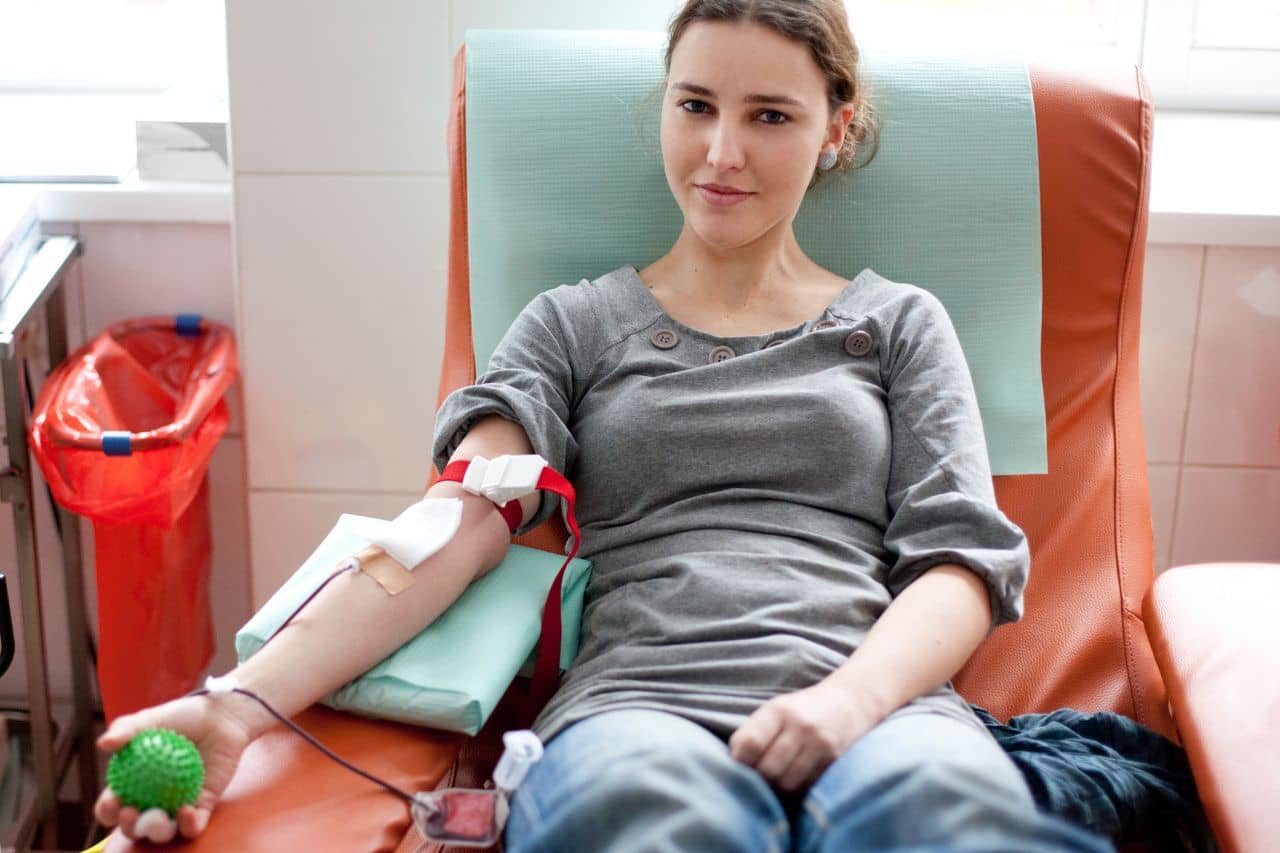
Next is the actual donation. Once seated, a phlebotomist prepares a donor’s arm by cleaning the area, and then a needle is inserted for plasma extraction. Depending on the equipment used, this extraction usually takes anywhere from 30 minutes to an hour. It’s typically more comfortable than it sounds—most people report minimal discomfort.
After donation, the donor is provided with refreshments. Centers often offer snacks and drinks to help replenish energy levels. This step is essential for recovery, facilitating a smooth transition back to regular activities.
Screening Procedures: Ensuring Safety First
Safety is paramount during plasma donation. Before any extraction occurs, a thorough screening process takes place. Each donor must pass through a series of safety checks designed to protect both parties. Important elements include blood pressure, pulse, and hematocrit levels.
This screening process also examines potential exposure to infectious diseases while assessing the donor’s immune health. In cases of uncertainty, professionals usually prioritize caution. Such a commitment to safety benefits the entire community, as clients consistently report feeling reassured knowing comprehensive screening measures are in place.
Though some might see this scrutiny as a hassle, it remains a crucial step in delivering this vital health service.
Recovery Tips Post-Donation to Maximize Your Well-being
Recovering after donation holds equal significance as preparation beforehand. Taking a brief pause to enjoy refreshments is necessary right after donating. It’s important to snack and hydrate to restore energy levels. Though it may be tempting to jump back into daily activities immediately, professionals advise against this.
Limiting strenuous endeavors for the remainder of the day helps prevent discomfort. While gentle movements are fine, high-impact workouts or heavy lifting should be avoided for about 24 hours. Listening to one’s body is imperative during recovery.
It’s also wise to monitor for any potential side effects. Dizziness or fatigue may occur but usually dissipate quickly with proper self-care. Acknowledging these concerns head-on, alongside knowledge about post-donation recovery, will prove beneficial.
Financial Incentives and Benefits of Donating Plasma
How Does Compensation Work for Plasma Donors?
Many plasma donation centers offer some form of compensation. The amount varies based on location and how frequently someone donates. This serves as an incentive, encouraging individuals to maintain regular donation schedules to help ensure a consistent plasma supply.
A clear understanding of the financial aspects allows potential donors to assess their experiences realistically, seeing how their efforts translate into tangible rewards.
Long-term Health Benefits of Regular Plasma Donation
Beyond financial incentives, donating plasma can offer health benefits too. Regular donation may enhance cardiovascular health by reducing blood viscosity. For many, this experience leads to routine health checkups—an effective way to identify underlying health issues early. This proactive engagement frequently surprises potential donors.
Moreover, the act of donating fosters a sense of belonging to a community. Individuals contributing to a larger cause often express increased feelings of purpose and fulfillment. They find themselves more connected to the world, as plasma donations can save lives.
Being part of something greater serves as a profound motivator. Plasma donors are not merely giving; they’re supporting entire communities and healthcare systems, creating a ripple effect that extends throughout society.
Supporting Your Community: The Impact of Your Donation
The ramifications of donating plasma are substantial. Each donation can assist in treating various conditions, ranging from immunodeficiency disorders to supporting burn victims. Behind the scenes, every pint of plasma transforms into life-saving products, like immunoglobulins. Understanding this connection clarifies the real-world value of each contribution.
Beyond immediate health benefits, communities grow stronger with consistent donations. Healthcare systems become more resilient as individuals commit to maintaining plasma stock. Many professionals concur that plasma donation is pivotal for numerous therapies. Celebrating the spirit of giving nurtures a community-focused mindset.
Ultimately, sharing knowledge about plasma donation requirements leads to informed and compassionate choices. The act of donation itself has the power to change lives, but it commences with a thorough understanding of the process. Individuals who invest in this practice enrich their lives while enhancing collective well-being.
FAQ
Can anyone donate plasma, or are there exceptions based on health history?
Not everyone is eligible to donate plasma. Individuals with certain health issues, like chronic illnesses or those who have had recent surgeries, may find themselves disqualified. It’s critical to share a comprehensive medical history during the screening process to determine eligibility accurately.
How long does the plasma donation process usually take?
The entire experience of donating plasma typically lasts between one to two hours. The actual plasma extraction lasts about 30 minutes to an hour; however, more time is necessary for health screenings and recovery afterward.
What are the recommended recovery measures after donating plasma?
Recovery after donating is crucial. Taking a break and enjoying refreshments is the first step. Beyond that, it’s wise to avoid strenuous activities for the remainder of the day and to listen closely to one’s body for any signs of discomfort.
How frequently can someone donate plasma?
Most donation centers allow individuals to donate plasma every 28 days. This timeframe guarantees that the body can replenish its plasma supply and ensures donor health. Sticking to the recommended intervals is wise for safety.
Are there age exceptions for plasma donation?
The general guideline stipulates that donors must be at least 18 years old. However, some centers may permit 17-year-olds to donate with parental consent, though this varies by location. It’s best to check local guidelines for clarity.
What types of identification are acceptable for plasma donation centers?
Donation centers typically require a valid form of government-issued ID. Acceptable identifications might include driver’s licenses, passports, or state-issued ID cards. Verifying acceptable forms with the center ahead of time is a prudent approach.
Can lifestyle choices affect a person’s ability to donate plasma?
Definitely. Lifestyle decisions, such as smoking, excessive alcohol consumption, or poor dietary habits, can influence the feasibility of a donation. Maintaining a healthy lifestyle significantly enhances eligibility and overall plasma quality.
What if an individual feels unwell on the day of donation?
If someone feels unwell on donation day, it’s advisable to postpone the appointment. Health takes precedence, and potential donors should only donate when feeling their best to ensure both their safety and a positive experience for themselves and the recipient.
Useful Resources
- American Red Cross Blood Services
- The Global Plasma Alliance
- S. Food and Drug Administration (FDA)
- Plasma Donation Information
- National Heart, Lung, and Blood Institute
- Mayo Clinic
- Centers for Disease Control and Prevention (CDC)
- World Health Organization (WHO)