
Pain has a way of sneaking into everyday life. It might start as a tight neck after long workdays or a lingering ache in the lower back that never quite goes away. For many people, traditional treatments offer partial relief but do not fully address the root of the problem. That search for something more effective has led to growing interest in dry needling therapy.
Once considered a niche technique, dry needling has steadily moved into the mainstream. Physical therapists, sports medicine specialists, and rehabilitation professionals are using it to help people move better, recover faster, and better understand how muscle pain really works.
What Dry Needling Therapy Actually Is
Despite its name, dry needling is not acupuncture, although the two share some similarities. The biggest difference lies in intent and approach.
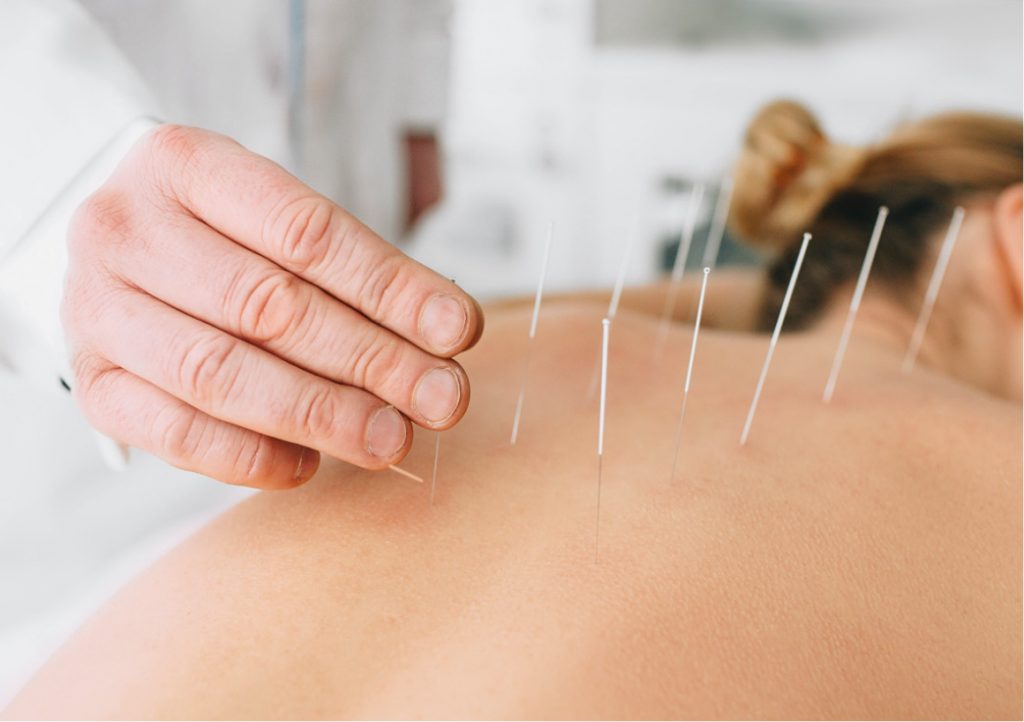
Dry needling uses thin, solid needles that are inserted directly into specific muscle tissue. These targeted areas are often referred to as trigger points, which are tight bands or knots within a muscle that can cause pain, stiffness, or discomfort elsewhere in the body.
The word dry simply means that no medication is injected. The needle itself is the tool that stimulates the muscle and nervous system.
Understanding Trigger Points and Muscle Dysfunction
To understand why dry needling works, it helps to know how muscles behave under stress.
What Are Trigger Points
Trigger points form when muscle fibers remain contracted instead of relaxing fully. This can happen after injury, repetitive movement, poor posture, or prolonged stress. Over time, these tight areas reduce blood flow, limit movement, and send pain signals to the brain.
Some trigger points are active and painful to the touch. Others are latent and only reveal themselves when pressure or movement is applied.
How They Affect the Body
A trigger point in one muscle can cause pain in a completely different area. For example, tension in the shoulder can lead to headaches, or tight hip muscles can contribute to knee pain. This is why treating only the area where pain is felt does not always bring relief.
How Dry Needling Works Inside the Muscle
When a needle is inserted into a trigger point, it creates a small mechanical and neurological response.
Local Twitch Response
Often, the muscle reacts with a brief twitch. This is a good sign. It indicates that the needle has reached the dysfunctional tissue and triggered a release. After this response, the muscle often relaxes more fully.
Improved Blood Flow
The insertion increases circulation to the area, bringing oxygen and nutrients that help the tissue heal. Improved blood flow also helps flush out waste products that contribute to pain.
Nervous System Reset
Dry needling also influences how the nervous system communicates with muscles. By disrupting faulty pain signals, it helps restore normal movement patterns and reduces sensitivity.
Conditions Commonly Treated With Dry Needling
Dry needling is used to address a wide range of musculoskeletal issues. It is rarely a standalone treatment but often part of a broader rehabilitation plan.
Chronic Muscle Pain
People with long term neck, shoulder, or back pain often respond well to dry needling, especially when muscle tightness is a major contributor.
Sports and Overuse Injuries
Athletes frequently deal with repetitive strain. Dry needling can speed recovery by targeting overworked muscles and improving flexibility.
Postural Imbalances
Modern lifestyles encourage prolonged sitting and screen use. Dry needling can help release muscles that have adapted poorly to these habits.
Headaches and Jaw Pain
Tension headaches and jaw discomfort are often linked to tight muscles in the neck, face, and upper back. Treating these areas can reduce symptom frequency and intensity.
What a Typical Dry Needling Session Feels Like
One of the biggest concerns people have is what the treatment actually feels like.
During the Treatment
The sensation varies. Some people feel a mild pinch as the needle enters. Others feel pressure or a quick twitch. Discomfort is usually brief and well tolerated.
After the Session
It is common to feel soreness similar to what you might experience after a workout. This typically fades within a day or two. Many people notice improved movement and reduced pain shortly after treatment.
Frequency of Treatment
The number of sessions depends on the condition being treated. Some people feel significant relief after one or two sessions, while others benefit from a short series combined with exercises and manual therapy.
Dry Needling Versus Other Pain Relief Methods
Dry needling is not meant to replace all other treatments. It works best as part of a comprehensive approach.
Compared to Massage
Massage focuses on surface level muscle relaxation and circulation. Dry needling targets deeper muscle layers that are difficult to reach manually.
Compared to Medication
Pain medications can mask symptoms but do not address muscle dysfunction. Dry needling aims to resolve the source of pain rather than just reduce perception.
Compared to Stretching Alone
Stretching is helpful but may not release stubborn trigger points. Dry needling can make stretching more effective by reducing muscle resistance.
Safety and Training Considerations
Dry needling is a skilled technique that requires proper education and training.
Who Can Perform Dry Needling
In many regions, licensed physical therapists and medical professionals are trained to perform dry needling. Training includes anatomy, needle technique, and safety protocols.
Potential Side Effects
Side effects are generally mild. They may include temporary soreness, minor bruising, or fatigue. Serious complications are rare when performed by trained professionals.
Importance of Individual Assessment
Dry needling is not appropriate for everyone. A thorough assessment helps determine whether it fits into a person’s treatment plan.
How Dry Needling Fits Into Modern Rehabilitation
Healthcare is moving toward treatments that are personalized, evidence informed, and function focused. Dry needling aligns well with this shift.
Supporting Active Recovery
By reducing pain and improving muscle function, dry needling allows people to participate more fully in exercise and rehabilitation programs.
Enhancing Long Term Results
Treating trigger points can help prevent recurring pain by addressing underlying dysfunction rather than symptoms alone.
Encouraging Body Awareness
Many patients gain a better understanding of how stress, posture, and movement patterns affect their bodies through this type of treatment.
Growing Demand and Public Awareness
As more people share positive experiences, interest continues to grow. Search trends reflect curiosity about dry needling in NYC and other major metropolitan areas, especially among people seeking non surgical pain relief options.
This increased awareness has also led to more research, refining best practices and expanding understanding of how and when dry needling is most effective.
What to Consider Before Trying Dry Needling
If you are curious about dry needling, a few considerations can help guide your decision.
Clarify Your Goals
Are you looking to reduce pain, improve movement, or recover from injury? Clear goals help determine whether dry needling is appropriate.
Ask About Experience
Practitioner experience matters. Ask about training, approach, and how dry needling fits into a broader treatment plan.
Be Open to a Combined Approach
Dry needling works best alongside exercise, education, and movement retraining. It is one piece of a larger puzzle.
A Practical Tool With Lasting Impact
Dry needling therapy is not a miracle cure, but it is a powerful tool when used thoughtfully. It addresses muscle pain at its source, supports active rehabilitation, and helps people reconnect with how their bodies move and respond.
As interest continues to grow and research evolves, dry needling is likely to remain a valuable part of modern pain care. For many, it represents a shift away from quick fixes and toward treatments that respect the complexity of the human body.