
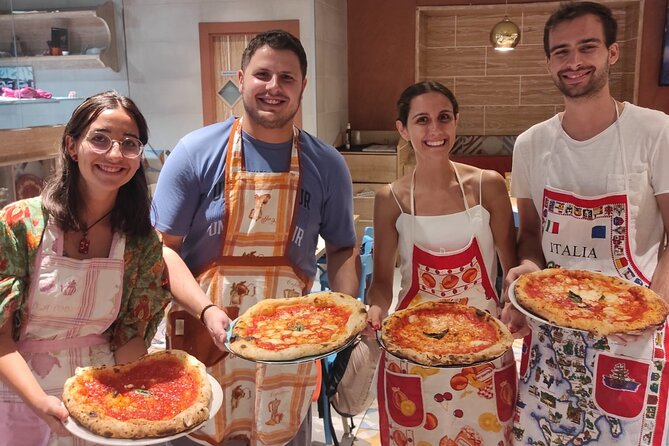
A pizza class turns a familiar meal into a practical kitchen lesson. Participants work with dough, sauce, cheese, and heat. This popular format blends useful technique with a relaxed social activity in Dallas. This article explains what happens from arrival to the final slice.
The Class Starts With Core Dough Skills
The first part covers dough texture, flour, fermentation, and hand technique. Pizza making classes in Dallas may show how to press and stretch dough without tearing the center. An instructor explains why a soft edge matters for Neapolitan pizza. This foundation helps participants shape a base with control.
Expect guidance as the dough changes under the hands. Small adjustments can correct a thick center or uneven rim. The instructor may explain how rest time affects elasticity. Those details make the lesson useful after class.
Sauce and Toppings Require a Light Touch
A balanced pizza needs enough sauce for flavor without excess moisture. Participants learn to spread it from the center while leaving the outer rim clear. Fresh cheese, basil, olive oil, and toppings follow in measured amounts. This method supports a tender crust and clear flavor.
The class may discuss ingredient quality and simple combinations. Neapolitan pizza relies on a short list of toppings. Too much weight can prevent the center from cooking well. A focused approach helps the dough remain the main feature.
Oven Heat Changes the Final Result
High heat gives Neapolitan pizza its soft center, spotted crust, and quick bake. The instructor may explain oven temperature and close timing. Participants can watch the rim expand quickly. That moment connects the dough lesson to the finished pizza.
Details to Watch Near the Oven
A few visual signs reveal how the pizza develops:
- The rim rises and gains dark spots
- The cheese softens without losing all texture
- The base sets while the center stays tender
These cues aid practice at home. A standard oven works differently, so the method may need small changes. The class recipe can offer a useful starting point. Pizza making classes in Dallas often include tips that help adapt the process.
The Session Has a Social Rhythm
Hands-on classes feel active without becoming rushed. Participants ask questions, compare results, and share discoveries. The group format suits friends, couples, families, or solo guests. A small class can make instructor feedback easier.
Practical rules matter during the session. Closed-toe shoes, tied-back hair, clean hands, and punctual arrival support safety. Guests should check dietary limits before booking. A class may not offer gluten-free dough.
The Experience Continues After Class in Dallas
The takeaway extends past the pizza eaten on site. A recipe helps participants repeat the steps with confidence. Some classes also provide dough for a pizza at home. That extra practice reinforces the lesson while details stay fresh.
Expect the class to last about an hour, though schedules can vary. Booking terms, session dates, and refund rules deserve review. Participants should arrive ready to work and taste their result. The format combines instruction, food, and a skill to use again.
FAQ
1: What is included in a hands-on pizza making class?
Most classes include instruction on dough preparation, stretching, topping, and baking an authentic Neapolitan-style pizza. Participants typically enjoy the pizza they make and may also receive fresh dough and a recipe to practice at home.
2: Do I need prior pizza-making experience?
No. These classes are designed for beginners as well as people who already enjoy cooking. The instructor demonstrates each step and provides guidance throughout the session, making it easy to follow along.
3: How long does a pizza making class usually last?
A typical class lasts about 60 minutes, although the schedule can vary by session. Since class sizes are often limited, advance reservations are usually recommended.
A hands-on pizza class offers a close look at dough, balance, heat, and timing. Each stage explains why a simple pizza depends on precise choices. The session ends with a fresh pie and knowledge for home use. That mix gives the experience value after the last slice.