
Introduction
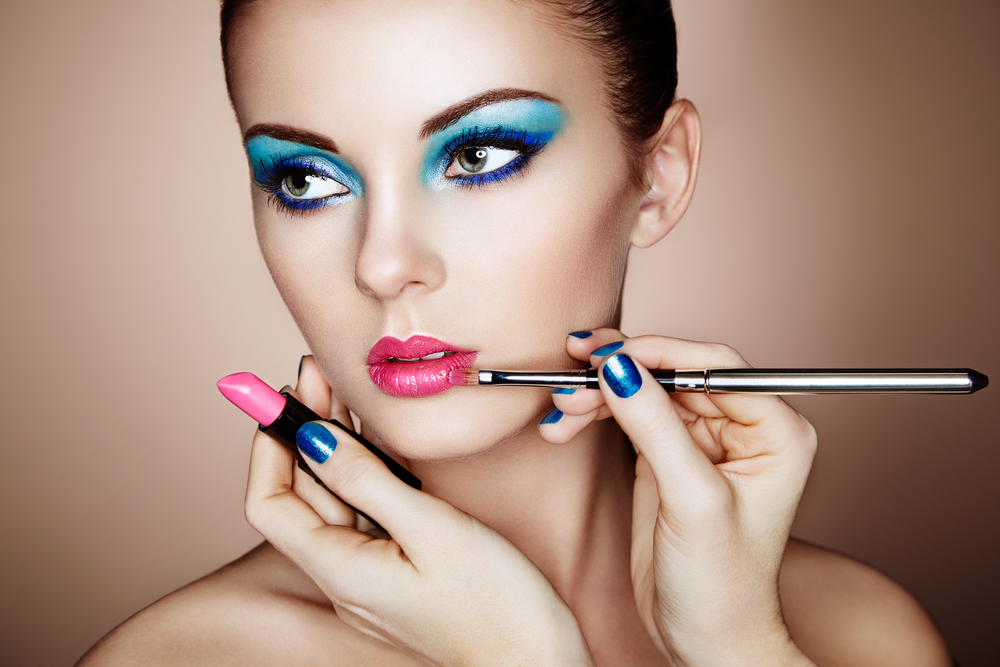
Beauty is a concept that transcends time, culture, and geography. From the intricate art of the Renaissance to modern skincare trends, the pursuit of beauty reflects both human creativity and biological instincts. The term “beauty” encompasses physical aesthetics, self-care routines, personal grooming, and even psychological well-being. Understanding beauty requires an exploration of its scientific, cultural, and economic dimensions.
The Biology of Beauty
Beauty is not merely subjective; it has roots in biology and evolution. Humans are predisposed to recognize patterns, symmetry, and proportion as indicators of health and vitality.
- Facial Symmetry: Studies have shown that symmetrical faces are often perceived as more attractive. Symmetry is believed to signal genetic health and developmental stability.
- Skin Health: Clear, smooth skin is universally associated with beauty. Skin imperfections can indicate illness or stress, making healthy skin a key factor in perceived attractiveness.
- Body Proportions: Across cultures, certain body ratios, such as the waist-to-hip ratio in women, are consistently linked to attractiveness, reflecting evolutionary cues for fertility and health.
- Hormonal Indicators: Features influenced by hormones, such as fuller lips or defined cheekbones, are often subconsciously linked to beauty and reproductive fitness.
Understanding these biological foundations helps explain why certain beauty standards are remarkably consistent across cultures, despite local variations.
Cultural Perceptions of Beauty
Beauty standards are heavily influenced by cultural norms, social media, and historical context. While some features are universal, others are shaped by specific societal preferences.
- Historical Trends: During the Renaissance, fuller bodies were celebrated as a symbol of wealth and fertility. In contrast, the 20th century often favored slimmer physiques, influenced by fashion and cinema.
- Regional Variations: Skin tone, hair texture, and facial features are emphasized differently in various cultures. For instance, East Asian cultures may prioritize porcelain skin, while African cultures might celebrate natural hair and vibrant body art.
- Media Influence: Movies, advertisements, and social media platforms perpetuate beauty ideals. The rise of influencers and cosmetic tutorials has democratized access to beauty knowledge but also created pressure to conform.
- Evolving Standards: Modern movements emphasize inclusivity, celebrating diversity in body types, gender identities, and ethnic features, challenging rigid traditional standards.
Cultural context illustrates that beauty is not fixed but evolves with societal values and technological influence.
The Psychology of Beauty
Beauty has profound psychological effects, both on the individual and society.
- Confidence and Self-Esteem: Personal grooming, skincare, and cosmetic enhancement can improve self-esteem and social confidence.
- First Impressions: Research shows that physical appearance heavily influences initial judgments in professional and social contexts. Attractive individuals are often perceived as more competent or trustworthy, a phenomenon known as the “halo effect.”
- Emotional Well-Being: Engaging in beauty routines can reduce stress and foster a sense of self-care, contributing to overall mental health.
- Cognitive Biases: While beauty is influential, it can also lead to biases, such as favoring aesthetically pleasing individuals over others in decision-making processes.
Understanding the psychological impact of beauty underscores its importance beyond mere aesthetics, connecting appearance to emotional and social outcomes.
Skincare and Aesthetic Practices
Modern beauty encompasses a vast array of practices aimed at enhancing appearance and promoting skin health.
- Cleansing and Moisturizing: Maintaining skin hydration and removing impurities is foundational. Products often include natural extracts, antioxidants, and vitamins to improve texture and resilience.
- Sun Protection: UV exposure accelerates aging, making sunscreen a critical element of any beauty regimen.
- Cosmetic Innovation: Products such as serums, exfoliants, and retinoids target specific concerns like fine lines, hyperpigmentation, and acne.
- Professional Treatments: Dermatology and aesthetics offer solutions like chemical peels, laser therapy, microdermabrasion, and non-invasive facelifts to enhance skin appearance.
- Haircare: Shampoos, conditioners, and specialized treatments improve hair health, while color treatments and styling reflect personal expression.
These practices highlight that beauty involves both prevention and enhancement, integrating science with personal preference.
The Role of Nutrition and Lifestyle
Beauty is not only skin-deep; it is profoundly influenced by lifestyle and nutrition.
- Balanced Diet: Vitamins A, C, E, and minerals like zinc and selenium support skin regeneration, collagen production, and hair health.
- Hydration: Adequate water intake improves skin elasticity, tone, and texture.
- Sleep and Stress Management: Chronic sleep deprivation and stress increase cortisol, leading to acne, wrinkles, and hair loss. Mindfulness and relaxation techniques can mitigate these effects.
- Exercise: Physical activity enhances circulation, delivering oxygen and nutrients to skin cells, and promotes a healthy body composition.
Lifestyle factors demonstrate that beauty is integrative, linking physical appearance with holistic health.
Cosmetics and the Modern Beauty Industry
The global beauty industry is a multi-billion-dollar ecosystem encompassing skincare, makeup, haircare, and personal grooming products.
- Skincare Dominance: Skincare products account for a significant share of market growth due to increased awareness of anti-aging and preventive care.
- Makeup Trends: Cosmetics offer creative self-expression and can transform or highlight natural features. Trends often shift with fashion cycles and cultural influences.
- Sustainable Beauty: Consumers increasingly demand cruelty-free, vegan, and eco-friendly products, pushing brands to adopt sustainable sourcing and packaging.
- Technological Integration: AI-powered beauty apps, virtual try-ons, and personalized formulations are revolutionizing product recommendations and engagement.
The beauty industry illustrates the synergy of science, technology, and consumer desire, making it a dynamic and constantly evolving sector.
Beauty and Aging
Aging is a natural process, and beauty standards are adapting to embrace maturity.
- Anti-Aging Skincare: Products targeting wrinkles, loss of elasticity, and pigmentation help maintain a youthful appearance without invasive procedures.
- Hormonal Influence: Changes in hormones during aging affect skin thickness, moisture retention, and hair growth, necessitating tailored skincare routines.
- Psychological Perspective: Embracing aging while enhancing appearance fosters self-confidence and mental well-being.
- Cultural Shifts: Media increasingly showcases diverse age representation, challenging the notion that beauty is exclusively youthful.
Understanding beauty in the context of aging promotes both health and self-acceptance.
Beauty Standards and Social Impact
While beauty is celebrated, it also carries social implications that require critical understanding.
- Inclusivity Movements: Campaigns promoting body positivity, gender diversity, and ethnic representation challenge traditional norms and expand societal definitions of beauty.
- Mental Health Awareness: Unrealistic beauty ideals can lead to body dysmorphic disorders, low self-esteem, and eating disorders. Awareness campaigns help mitigate these risks.
- Cultural Heritage: Beauty practices often preserve cultural identity, from traditional hair braiding to natural skincare remedies, reflecting historical wisdom and community pride.
Acknowledging these social dimensions demonstrates that beauty is a cultural, psychological, and ethical concern.
Emerging Trends in Beauty Technology
Innovation continues to redefine beauty standards and methods.
- Personalized Skincare: DNA analysis and microbiome profiling enable customized routines addressing individual skin needs.
- Non-Invasive Procedures: Devices for at-home treatments like LED therapy, microcurrent facials, and ultrasonic exfoliation are gaining popularity.
- Virtual Beauty Advisors: AI-powered recommendations guide product selection and application, improving user experience.
- Eco-Conscious Packaging: Biodegradable, refillable, and recyclable packaging solutions meet environmental responsibility goals.
These trends indicate that the beauty industry is embracing both scientific precision and sustainability.
FAQ Section
Q1: How does diet affect skin health?
A balanced diet rich in antioxidants, vitamins, and minerals supports collagen production, reduces oxidative stress, and maintains hydration, directly influencing skin elasticity and texture.
Q2: Are natural beauty products more effective than synthetic ones?
Effectiveness depends on formulation, concentration, and skin type. Both natural and synthetic products can be effective when scientifically developed and properly applied.
Q3: How do hormonal changes impact hair and skin?
Hormonal fluctuations, such as during menopause or thyroid disorders, can cause dryness, thinning hair, and changes in pigmentation. Tailored skincare and haircare regimens can mitigate these effects.
Q4: Can technology replace traditional beauty consultations?
AI-powered virtual consultations offer personalized advice, but professional dermatologists or aestheticians provide nuanced assessments, especially for complex skin conditions.
Q5: How is sustainability influencing the beauty industry?
Sustainable sourcing, cruelty-free testing, and eco-friendly packaging reflect consumer demand and corporate responsibility, shaping product development and brand identity.
Q6: What role does mental well-being play in beauty?
Psychological health influences appearance through stress hormones, sleep quality, and habits. Practices that promote mental well-being support both physical health and aesthetic outcomes.
Q7: Are anti-aging products effective?
Anti-aging products can improve skin hydration, reduce fine lines, and slow visible signs of aging, especially those containing proven ingredients like retinoids, peptides, and antioxidants.
Conclusion
Beauty is a multifaceted concept that integrates biology, culture, psychology, technology, and personal expression. It reflects both innate human instincts and societal values while continuously evolving with scientific advancements and cultural shifts. From skincare and cosmetics to lifestyle practices and technological innovations, beauty remains a dynamic field influencing confidence, social interaction, and economic activity. Recognizing its depth and complexity enables individuals and industries to engage with beauty thoughtfully, ethically, and sustainably, ensuring its enduring relevance across generations.