
Introduction
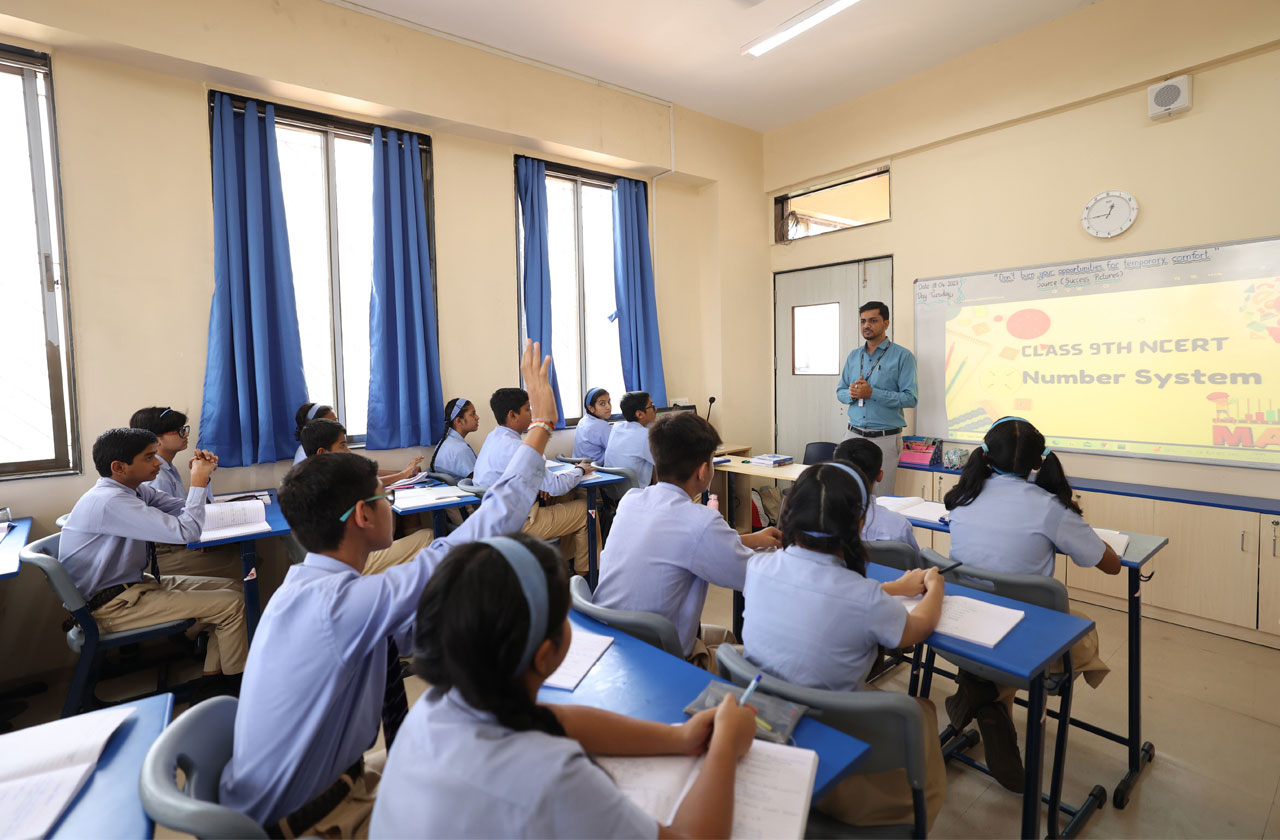
Education is the cornerstone of human development, enabling individuals to acquire knowledge, critical thinking skills, and practical expertise. Its influence extends beyond the classroom, shaping societies, economies, and global innovation. The term “Education” encompasses formal schooling, vocational training, lifelong learning, and informal knowledge acquisition. Understanding education requires examining its historical evolution, pedagogical approaches, technological integration, and societal impact.
Historical Evolution of Education
Education has undergone a profound transformation throughout human history, adapting to societal needs and technological progress.
- Ancient Education: In ancient civilizations such as Mesopotamia, Egypt, and Greece, education focused on literacy, arithmetic, philosophy, and civic responsibilities. Oral traditions and apprenticeships were primary methods of knowledge transmission.
- Medieval Period: Monastic schools and universities emerged in Europe, promoting theology, law, and medicine. Literacy was often limited to clergy and elite classes, reflecting social hierarchies.
- Industrial Revolution: The 18th and 19th centuries brought widespread public education, emphasizing literacy, numeracy, and vocational skills to meet the demands of industrialized economies.
- Modern Era: Universal education, standardized curricula, and inclusive policies have become central goals. Technology, globalization, and digital learning platforms now expand access and enhance pedagogy.
Understanding this historical trajectory highlights how education evolves in response to societal priorities and technological advancement.
Pedagogical Approaches and Learning Theories
Education is guided by diverse teaching methodologies and learning theories, each influencing how knowledge is transmitted and retained.
- Constructivist Learning: Emphasizes active engagement, allowing learners to construct knowledge through experiences and reflection.
- Behaviorism: Focuses on observable outcomes, employing reinforcement and repetition to shape learning behavior.
- Cognitive Learning Theory: Examines mental processes, problem-solving, and memory retention, guiding curriculum design and instructional strategies.
- Experiential Learning: Encourages hands-on experiences, internships, and project-based learning to develop practical skills alongside theoretical knowledge.
- Collaborative Learning: Promotes teamwork, communication, and social interaction, reflecting the interconnected nature of modern workplaces.
Integrating these approaches enables educators to address diverse learning needs, optimize engagement, and foster critical thinking.
The Role of Technology in Education
Technology has transformed education by enhancing accessibility, interactivity, and personalization.
- E-Learning Platforms: Online courses, MOOCs, and learning management systems offer flexible, global access to high-quality education.
- Interactive Tools: Digital whiteboards, simulations, and gamified learning experiences improve comprehension and retention.
- Artificial Intelligence: AI-driven tutoring systems, adaptive assessments, and personalized learning paths optimize student outcomes.
- Virtual and Augmented Reality: Immersive experiences allow learners to explore complex concepts, from historical reconstructions to scientific experiments.
- Data Analytics: Educational analytics provide insights into performance, engagement, and learning patterns, informing targeted interventions.
Technology democratizes learning, bridging gaps for students in remote areas, non-traditional learners, and those with disabilities.
Global Education Systems
Education systems vary widely across countries, reflecting cultural, economic, and policy differences.
- Primary and Secondary Education: Foundational literacy, numeracy, science, and social studies equip students for higher learning and societal participation.
- Higher Education: Universities and colleges focus on specialization, research, and critical thinking, contributing to national innovation and economic competitiveness.
- Vocational Training: Technical education equips learners with industry-specific skills, addressing labor market needs and reducing unemployment.
- Adult and Continuing Education: Lifelong learning programs enhance career mobility, skill diversification, and personal development.
- Inclusive Education: Policies promoting gender equity, accessibility for differently-abled students, and multicultural curricula expand opportunities and social cohesion.
Comparing global systems underscores the importance of policy, investment, and innovation in achieving educational outcomes.
Economic and Societal Impact of Education
Education drives economic growth, social mobility, and civic engagement.
- Economic Development: Educated populations are more productive, innovative, and capable of adapting to technological change. Countries with higher literacy rates and skilled workforces experience stronger economic growth.
- Social Equity: Education reduces inequality by providing access to knowledge and opportunities regardless of socioeconomic background.
- Health and Well-being: Educated individuals make informed choices regarding health, nutrition, and lifestyle, contributing to population well-being.
- Civic Engagement: Education fosters critical thinking, ethical reasoning, and civic responsibility, strengthening democratic institutions and community participation.
- Cultural Preservation: Education promotes cultural literacy, awareness of history, and preservation of local traditions while fostering global understanding.
These impacts demonstrate that investment in education yields dividends beyond individual achievement, shaping societies and economies at large.
Challenges in Modern Education
Despite progress, the education sector faces significant challenges requiring strategic interventions.
- Access and Equity: Socioeconomic disparities, geographic barriers, and systemic discrimination limit access to quality education.
- Quality and Relevance: Curricula must evolve to address modern skills, technological literacy, and global competencies.
- Teacher Training and Retention: Qualified educators are critical; insufficient training and low retention rates affect learning outcomes.
- Funding Constraints: Public and private educational institutions often face budget limitations impacting infrastructure, resources, and program delivery.
- Digital Divide: Unequal access to technology exacerbates disparities, particularly in developing regions and underserved communities.
Addressing these challenges requires holistic policy-making, international collaboration, and community engagement.
Innovations in Education
Educational innovation is key to addressing contemporary challenges and preparing students for a rapidly changing world.
- STEM and STEAM Integration: Emphasizing science, technology, engineering, arts, and mathematics encourages creativity, problem-solving, and interdisciplinary learning.
- Flipped Classrooms: Students engage with content independently before classroom discussions, fostering active learning and critical thinking.
- Project-Based Learning: Real-world problem-solving projects develop collaboration, innovation, and practical application of knowledge.
- Adaptive Learning Technologies: Systems tailor content to individual pace, strengths, and weaknesses, optimizing outcomes.
- Global Collaboration: Virtual exchange programs connect students worldwide, promoting cross-cultural communication and global citizenship.
These innovations transform education into a dynamic, personalized, and contextually relevant process.
The Psychology of Learning
Effective education incorporates an understanding of cognitive and emotional factors influencing learning.
- Motivation and Engagement: Intrinsic motivation, goal-setting, and relevance of content enhance persistence and achievement.
- Memory and Retention: Techniques like spaced repetition, retrieval practice, and active recall improve long-term knowledge retention.
- Emotional Intelligence: Empathy, self-regulation, and interpersonal skills foster a positive learning environment and collaborative culture.
- Growth Mindset: Encouraging resilience and adaptability promotes lifelong learning and skill development.
Integrating psychological insights ensures education is not only informative but transformative.
Education Policy and Governance
Strong policies underpin effective education systems, influencing access, quality, and equity.
- Curriculum Standards: Clear benchmarks ensure consistency, relevance, and rigor across institutions.
- Teacher Certification: Professional standards and continuous development maintain instructional quality.
- Assessment and Accountability: Evaluation frameworks measure learning outcomes and inform policy adjustments.
- Public-Private Partnerships: Collaboration between government and private entities enhances resource allocation and innovation.
- Global Initiatives: Programs like UNESCO’s Education for All aim to reduce illiteracy and improve education worldwide.
Effective governance ensures that education systems respond dynamically to societal and economic needs.
Future of Education
Education is poised for transformative growth driven by technology, global collaboration, and shifting societal demands.
- Artificial Intelligence in Education: AI tutors, predictive analytics, and smart classrooms will personalize learning and streamline administrative tasks.
- Virtual and Augmented Reality: Immersive experiences will redefine experiential learning in science, history, and vocational training.
- Lifelong Learning Ecosystems: Continuous skill development and professional reskilling will become essential in an era of rapid technological change.
- Sustainability Education: Integrating environmental literacy and sustainability principles prepares learners for global challenges.
- Global Competency Development: Cross-cultural understanding, digital literacy, and ethical reasoning will shape citizens of the 21st century.
These trends suggest that education will continue to adapt, innovate, and empower individuals and societies alike.
FAQ Section
Q1: How does technology improve learning outcomes?
Technology facilitates interactive learning, personalized content, and global access, increasing engagement and knowledge retention. Adaptive platforms help address individual learning needs efficiently.
Q2: What is the role of vocational education?
Vocational education equips learners with practical, industry-specific skills, improving employability and supporting economic development by addressing labor market demands.
Q3: How can education reduce inequality?
By providing universal access, scholarships, inclusive curricula, and technology-driven solutions, education can bridge socioeconomic gaps and empower marginalized communities.
Q4: What is the importance of lifelong learning?
Continuous learning ensures skill relevance, adaptability, and personal growth in a rapidly changing world influenced by technology and globalization.
Q5: How do cultural factors influence education?
Cultural context shapes teaching methods, curriculum design, and learning expectations, reflecting societal values, traditions, and priorities.
Q6: How does education affect economic growth?
Educated populations contribute to innovation, productivity, and skilled labor availability, directly impacting national economic performance and competitiveness.
Q7: What strategies improve teacher effectiveness?
Professional development, mentorship programs, performance feedback, and supportive infrastructure enhance teaching quality and retention.
Conclusion
Education is an evolving, multidimensional force that empowers individuals, strengthens societies, and drives economic progress. Its impact extends beyond knowledge acquisition to shaping critical thinking, creativity, and civic responsibility. By integrating technology, innovative pedagogy, and inclusive policies, education continues to transform lives and prepare learners for the complex demands of the modern world. Investing in education is investing in the future, ensuring that individuals and communities thrive in a knowledge-driven global society.