
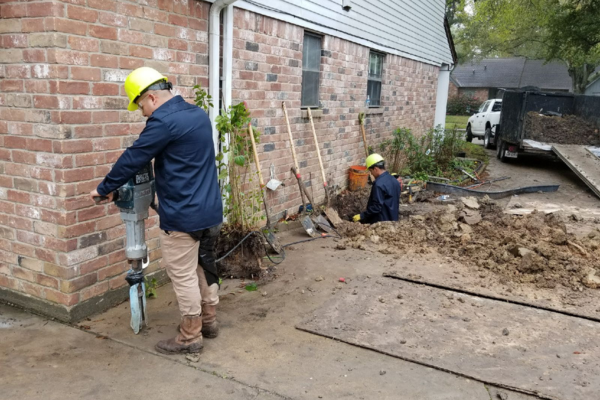
Foundation settlement is a common issue faced by homeowners and property managers, often leading to cracks in walls, uneven floors, and structural instability if left unaddressed. Addressing these problems promptly is critical, and understanding the techniques and methods used in foundation settlement repair can help property owners make informed decisions. Modern foundation repair methods combine engineering expertise, specialized equipment, and innovative materials to restore stability and prevent further damage.
Foundation settlement occurs when the soil beneath a building shifts, compresses, or erodes, causing the foundation to move from its original position. Various factors contribute to settlement, including soil type, moisture levels, poor compaction during construction, and changes in groundwater. A thorough assessment by a professional contractor is essential to determine the cause, the severity of the settlement, and the most appropriate repair method.
Piering and Underpinning Solutions
One of the most widely used techniques for foundation settlement repair is piering, also known as underpinning. This method involves installing steel or concrete piers beneath the foundation to provide additional support and restore stability. Piers are driven or drilled deep into stable soil layers, transferring the weight of the structure away from weakened or shifting soil.
There are several types of piers used in foundation repair. Steel push piers are installed using hydraulic equipment that drives the piers deep into firm soil, providing immediate stabilization. Concrete piers, on the other hand, are poured into drilled holes beneath the foundation and allowed to cure before bearing the structure’s weight. Both methods are effective for lifting and stabilizing settled foundations, preventing further movement and damage.
Underpinning techniques may also involve extending the foundation to a more stable soil layer. This approach is particularly useful for older homes with shallow foundations or buildings constructed on soil prone to significant shifting. By reinforcing the foundation with additional support, piering and underpinning methods offer long-term stability and peace of mind for property owners.
Slab Jacking and Mudjacking
For concrete slab foundations, slab jacking—also called mudjacking—is a common repair method. This technique addresses uneven or sunken slabs caused by soil settlement beneath the concrete. It involves pumping a mixture of cement, sand, and water under the slab to raise it back to its original position.
Slab jacking is effective for repairing driveways, patios, sidewalks, and certain residential foundations. The process is relatively quick, minimally invasive, and cost-effective compared to complete foundation replacement. Modern variations of the technique may use polyurethane foam instead of traditional slurry, providing faster curing times, lighter weight, and greater durability.
Proper application of slab jacking requires precise measurement and controlled injection to ensure the slab is leveled evenly. Over- or under-compensation can create new stress points, so skilled contractors are essential for achieving optimal results. By restoring the foundation to its intended elevation, slab jacking prevents further damage to the structure and prolongs its lifespan.
Soil Stabilization and Grouting Techniques
Soil stabilization is another critical method in foundation settlement repair. Weak or loose soil is often the root cause of foundation movement, and stabilizing the ground can prevent recurring settlement. Contractors may inject specialized grout or chemical solutions into the soil to increase its density and load-bearing capacity.
Compaction grouting involves pumping a thick cement-based grout under the foundation, displacing loose soil and filling voids. The grout hardens and strengthens the soil, providing a solid base for the foundation to rest on. This method is particularly effective in areas with clay, sandy soil, or pockets of erosion beneath the structure.
Chemical grouting uses polyurethane or other expanding compounds that fill voids and stabilize soil. This technique is minimally invasive and ideal for repairing localized settlement issues. Both soil stabilization and grouting work to reinforce the foundation from below, complementing other repair methods like piering or slab jacking.
Waterproofing and Drainage Solutions
Moisture is a leading factor in foundation settlement, especially in areas with poor drainage or high water tables. Effective foundation settlement repair often includes waterproofing and drainage solutions to prevent future soil movement and protect the structural integrity of the building.
Installing French drains, grading the landscape away from the foundation, or adding gutter extensions can redirect water flow and reduce soil saturation. Waterproofing membranes or coatings applied to the foundation walls help prevent water infiltration, which can weaken soil and exacerbate settlement. By addressing drainage and moisture issues, property owners reduce the likelihood of repeat foundation problems and protect their investment over time.
Monitoring and Maintenance
After foundation settlement repair, ongoing monitoring and maintenance are essential to ensure long-term success. Professionals may recommend periodic inspections to detect new cracks, uneven floors, or water infiltration. Installing foundation monitoring devices, such as crack gauges or leveling markers, allows homeowners to track potential movement and take corrective action promptly.
Maintenance also includes managing surrounding landscaping, ensuring proper drainage, and controlling vegetation near the foundation. Tree roots, excessive irrigation, and erosion can impact soil stability, making preventive measures a key component of foundation care. Regular upkeep combined with professional monitoring ensures that repaired foundations remain stable and secure for years to come.
Choosing the Right Foundation Settlement Repair Method
Selecting the appropriate foundation settlement repair method depends on several factors, including the type of foundation, the extent of settlement, soil conditions, and the building’s structural requirements. Professional contractors perform thorough assessments to recommend the most effective solution, whether piering, slab jacking, soil stabilization, or a combination of techniques.
Cost considerations, timeframes, and long-term durability are also important when evaluating repair options. While some methods may be more expensive upfront, they often provide superior longevity and peace of mind. Conversely, quick fixes may offer temporary relief but fail to address underlying soil or structural issues, leading to recurring problems.
Working with an experienced foundation settlement repair contractor ensures that the chosen method is tailored to the property’s specific needs. Proper planning, expert execution, and post-repair monitoring provide the best results, safeguarding the structure and protecting the homeowner’s investment.
Foundation settlement repair is a vital aspect of maintaining structural integrity, safety, and property value. Techniques such as piering, underpinning, slab jacking, soil stabilization, and drainage improvements address the root causes of settlement while restoring stability. Modern methods combine engineering expertise, advanced materials, and innovative equipment to provide effective, long-lasting solutions. By understanding the available repair methods and working with skilled professionals, property owners can protect their homes and enjoy peace of mind knowing their foundation is secure.