
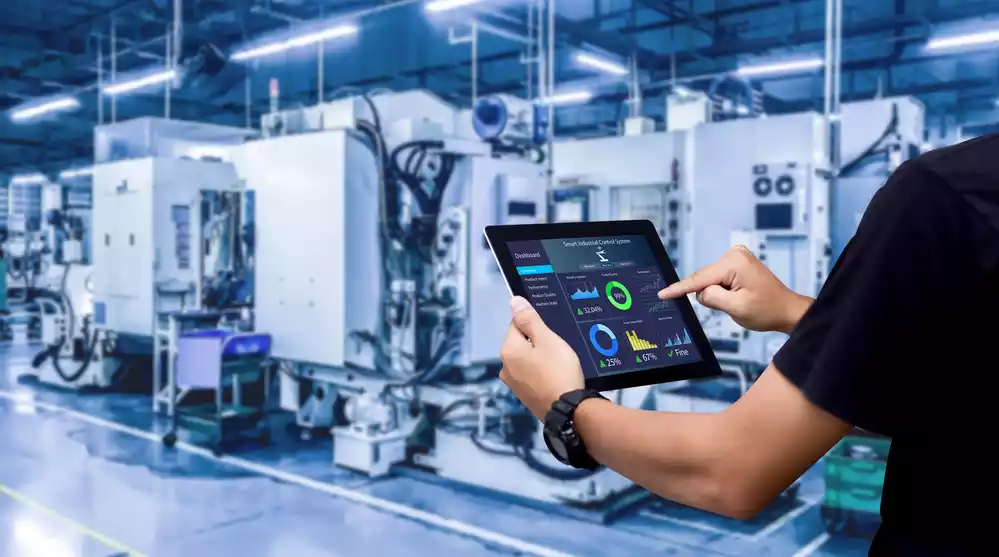
Manufacturing and production sectors are constantly evolving. In Thailand, a significant shift is happening as businesses adopt new technologies to improve their operations. Industrial automation stands at the forefront of this transformation, offering a powerful way to boost output while maintaining high standards of quality. This involves using control systems, such as computers or robots, and information technologies to handle different processes and machinery in an industry to replace a human being.
The primary advantage of this technology is the dramatic improvement in precision. Automated systems can perform repetitive tasks with a degree of accuracy that is difficult for human workers to sustain over long periods. For any business looking to scale its operations, collaborating with an experienced industrial automation company can provide the necessary tools and expertise. This partnership helps integrate systems that reduce errors, minimise waste, and ensure that every product meets exact specifications. The result is a more consistent and reliable production line.
Efficiency is another major benefit. Automation allows factories and processing plants to operate around the clock, substantially increasing production capacity. By automating certain tasks, companies can reallocate their workforce to more complex roles that require human intellect and problem-solving skills. This strategic use of labour, combined with the speed of automated machinery, helps Thai businesses compete more effectively on a global stage, particularly in sectors like automotive manufacturing, food processing, and electronics.
Consider the food and beverage industry in Thailand. Automation helps with sorting, processing, and packaging. Automated sensors can detect impurities or defects in products, ensuring that only high-quality items reach the consumer. This not only protects brand reputation but also adheres to strict food safety regulations. Robots can handle the physically demanding tasks of packing and palletising, reducing the risk of workplace injuries and improving the speed of the entire process from production to dispatch.
In the electronics assembly sector, precision is absolutely essential. Tiny components must be placed with pinpoint accuracy. Automated systems excel at this, using advanced vision systems and robotic arms to assemble circuit boards and other electronic devices. This level of precision is nearly impossible to achieve manually at a large scale. Consequently, automation leads to higher yields, fewer defects, and a better final product for consumers worldwide.
As Thailand continues to strengthen its position as a manufacturing hub in Southeast Asia, the adoption of industrial automation will be a defining factor for success. It offers a clear path for businesses to enhance their precision, improve efficiency, and build more resilient operations. By embracing these technologies, companies can ensure they remain competitive and ready for the future of production.