
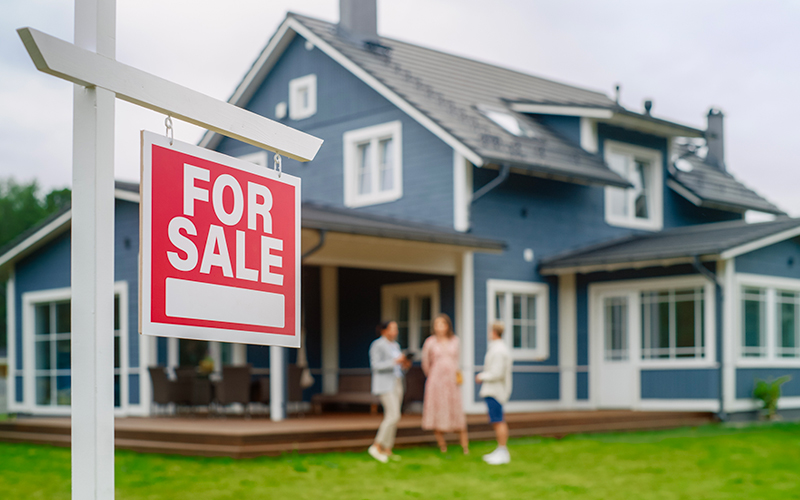
Current Trends Shaping the Kansas City Real Estate Landscape
The Rise of Urban Living: Why City Centrification is Here to Stay
The Kansas City real estate market is witnessing a paradigm shift characterized by an increasing desire for urban living. This trend is fueled by younger populations prioritizing walkability, access to amenities, and vibrant city lifestyles. The central business district and adjacent neighborhoods are becoming magnet points for both buyers and renters. As new developments and revitalization projects establish themselves in the heart of the city, many former skeptics are reevaluating their views on urban living. Proximity to entertainment venues, shops, restaurants, and workplaces enhances the appeal, making the urban core increasingly attractive.
Moreover, the COVID-19 pandemic has catalyzed this trend further, as remote working becomes normalized. Individuals who were once tied to suburban workplaces are now discovering the benefits of city life without the outdated constraints of a daily commute. As millennials and Gen Z populations drive urban demand, we see an accompanying rise in high-rise and mixed-use developments that cater to their preferences, replete with modern conveniences, communal spaces, and sustainable living solutions. City centrification, thus, is not a fleeting trend but a paradigm shift indicative of changing lifestyle choices and demographic preferences.
Suburban Surge: The Allure of Kansas City’s Outskirts
While urban flights are notable, there’s a compelling counter-narrative unfolding across Kansas City’s suburbs. With rising property values and an influx of families seeking more space, comforts, and excellent school districts, suburban living has regained its allure. Areas like Olathe, Overland Park, and Lee’s Summit are often lauded for their friendly neighborhoods and expansive parks, making them attractive prospects for families with children. The suburban real estate market is flourishing, driving demand for single-family homes and larger plots of land, which provide the tranquility often missing from city life.
This suburban resurgence is influenced significantly by young families yearning for a slower pace of life combined with high-quality educational opportunities. Additionally, growing tech companies and remote job offers have encouraged new transitions to the suburbs, as individuals seek to balance professional pursuits with family life. Consequently, these regions are experiencing enhanced development in infrastructure, including grocery stores, recreational facilities, and healthcare services. In particular, the COVID-19 pandemic highlighted the importance of safe, spacious environments suited for remote work and schooling, causing many to favor suburban life more than ever.
Market Fluctuations: How Inflation and Interest Rates Impact Buying Power
The Kansas City real estate market, like its counterparts nationwide, is facing the challenges of inflation and fluctuating interest rates. Buyers are experiencing the tight grip of rising costs as inflation impacts everything from construction materials to everyday living expenses, translating into higher home prices. This environment, combined with the Federal Reserve’s responses to inflation through interest rate hikes, creates a complex dilemma for potential homebuyers. Higher interest rates can translate to increased monthly mortgage payments, reducing buying power and the affordability of homes.
The interplay between inflation and interest rates necessitates strategic financial planning for homebuyers. Understanding how these economic pressures influence the real estate landscape is essential for making informed decisions. While rising rates may deter some buyers, others see opportunities in the market, particularly as competition levels off due to reduced buying power. It’s prudent for potential buyers to engage with financial advisors or real estate professionals to navigate these fluctuations. Ultimately, willingness to adapt and learn may unlock new avenues in this volatile market.
Neighborhood Spotlights: Discovering KC’s Hidden Gems
Historic Districts: A Walk Through Time and Real Estate Value
Kansas City boasts numerous historic districts that tell a story through their architecture, community spirit, and real estate values. Neighborhoods like the Country Club Plaza, Westside, and the West Bottoms are full of character and often feature charming homes that reflect unique eras in design and construction. This historical richness not only attracts those with an appreciation for culture and arts but also investors looking to capitalize on the enduring value of these properties.
Real estate in historic districts tends to engage both the preservationists and modernists, making unique investments that often appreciate over time. Many of these homes have been lovingly restored and upgraded, providing the perfect blend of old-world charm and modern convenience. The ongoing revitalization projects further enhance property values while maintaining historical integrity. As more people become aware of the long-term benefits of investing in historical homes, it’s increasingly recognized that beauty and value can coexist harmoniously in Kansas City’s historic neighborhoods.
Emerging Neighborhoods: Where to Invest for Future Returns
Investors scouting for opportunities frequently turn their attention to emerging neighborhoods, which promise long-term returns. Areas like the River Market, Northeast Kansas City, and the 18th and Vine District exemplify neighborhoods on the rise. These locales are attracting attention due to ongoing infrastructure improvements, burgeoning local businesses, and increasing public interest in arts and culture.
Particularly noteworthy is the River Market area, known for its farmer’s market, historic architecture, and waterfront views, appealing to a range of demographics from young professionals to families. Similarly, the Northeast is attracting homebuyers and investors alike with its diverse community, unique architecture, and accessibility. Buyers are keen on purchasing lower-priced homes now, anticipating future appreciation as the locale expands. An astute approach to these emerging neighborhoods can yield significant returns, making them attractive options for savvy investors willing to venture off the proverbial beaten path.
Local Culture and Community: The Heart of Kansas City Living
Kansas City is deeply enriched by its vibrant local culture and community spirit. The city’s diverse neighborhoods come alive thanks to a rich tapestry of arts, music, and culinary scenes, all of which play pivotal roles in the real estate market. Encouraging local artists, musicians, and chefs help create a sense of belonging that resonates with current and prospective residents alike.
Community events, farmer’s markets, and cultural festivals bring neighbors together, promoting a sense of togetherness that is a significant draw for homebuyers. Neighborhoods like the Crossroads Arts District not only highlight Kansas City’s creative prowess but also boost property values as demand in these culturally rich environments escalates. Buyers increasingly seek homes where they can immerse themselves in local arts and community engagement, thus affirming the importance of local culture and community in shaping real estate dynamics.
Navigating the Buying Process: Tips for Success in a Competitive Market
Understanding Offers: How to Make Yours Stand Out
In today’s hyper-competitive Kansas City real estate market, crafting a compelling offer is crucial for securing your dream home. Buyers must adopt a strategic approach encompassing not just the price but various other influencing factors. Key elements include contingencies, flexibility with closing dates, and personal letters to sellers sharing your connection to the home. These “love letters” can humanize offers amidst a sea of transactions and resonate with sellers on an emotional level.
Moreover, working with experienced real estate agents who understand the nuances of the Kansas City market can give buyers the necessary edge. They can provide invaluable insights into pricing strategies, upcoming neighborhood shifts, and encourage buyers to remain nimble and observant, poised to act when the right opportunity presents itself. Furthermore, incorporating an escalation clause into your offer may be beneficial, allowing increases in the offer price to keep pace with competing bids. Ultimately, creating a standout offer requires a blend of informed strategy and genuine engagement, which fosters a connection that transcends mere numbers.
Working with Local Real Estate Agents: Finding Your Perfect Match
Engaging with a knowledgeable local real estate agent can make a significant difference in your home-buying experience in Kansas City. Not only do they possess intimate knowledge of neighborhoods, schools, and pricing trends, but they can also negotiate effectively on your behalf. As the market fluctuates, having an agent who understands current trends helps buyers identify properties strategically while avoiding pitfalls.
It’s essential to find an agent whose communication style aligns with your preferences, ensuring a smooth process. Collaboratively setting goals with your agent strengthens rapport and assures seamless communication. It can be advantageous to select agents who are active community members, offering deeper insights into the local market dynamics. Their established networks may also present off-market opportunities that buyers could leverage effectively, allowing for a more comprehensive, personalized search experience.
Timing the Market: When is the Best Time to Buy in KC?
Determining the optimal time to buy a home in Kansas City hinges on various factors, including market conditions, economic trends, and personal situations. Traditionally, spring and summer see heightened market activity, with many sellers listing their properties to capitalize on favorable weather and family-oriented schedules, which peaks competition but often offers a wider selection for buyers. However, savvy buyers might also consider shopping in the slower months of fall and winter to benefit from less competition, potentially leading to better deals and negotiating leverage.
Understanding local patterns through research and engagement with real estate professionals can help gauge market fluctuations accurately. Being aware of seasonal trends allows buyers to channel their efforts effectively, adapting strategies to the market landscape. Importantly, market timing should harmonize with long-term homeowner goals, ultimately prioritizing personal and financial readiness over timing alone to ensure a smooth acquisition process.
Future Predictions: What’s Next for the Kansas City Real Estate Market?
Technological Innovations: The Role of Smart Homes in Shaping Demand
Technological advancements are fundamentally reshaping the Kansas City real estate market. The rise of smart home technology is not merely a trend; it has become a critical determinant in buyer preferences. Homebuyers are increasingly seeking homes equipped with smart devices, such as thermostats, security cameras, and smart lighting systems that offer enhanced convenience, energy efficiency, and enhanced security—all appealing traits for modern homeowners.
As the demand for technologically integrated homes rises, builders and developers are incorporating these innovations into their designs, thereby increasing their competitive edge in the marketplace. This not only attracts buyers but also supports sustainability goals, as smart home technologies often lead to reduced energy consumption and lower utility bills. Consequently, the integration of smart technology is poised to become a standard feature in homes, diversifying the real estate options and appealing significantly to tech-savvy and future-minded buyers alike.
Sustainability Trends: Eco-Friendly Living in KC’s Future Developments
Kansas City is witnessing a burgeoning trend toward sustainability, significantly influencing the future of real estate development. Buyers increasingly prioritize eco-friendly homes, leading to increased demand for green building practices and sustainable living solutions. Features such as energy-efficient appliances, sustainable materials, and environmentally-friendly landscaping are becoming standard expectations rather than added bonuses.
This phenomenon is driving developers to adopt LEED (Leadership in Energy and Environmental Design) certifications, underscoring a commitment to sustainability that resonates with eco-conscious buyers. As communities emphasize walkability, transit access, and parks or green spaces, the appeal of eco-friendly living continues to rise. Homeowners seeking to decrease their carbon footprints create long-lasting demand for sustainability-focused developments, affirming their substantial role in Kansas City’s future real estate landscape.
Long-Term Projections: Expert Insights on Market Resilience
Finally, expert insights suggest a resilient outlook for the Kansas City real estate market over the long term. Analysts emphasize the enduring appeal of the city, citing its affordability compared to other major urban centers and its diverse economy boosted by technology, healthcare, and manufacturing sectors. Though challenges like fluctuating interest rates and economic uncertainties may arise, the fundamental demand for housing in this diverse market will persist.
Moreover, as urbanization trends continue and young professionals flock to the city, Kansas City’s real estate market is projected to experience growth alongside community and infrastructural improvements. The city’s proactive approach to reinventing and revitalizing neighborhoods helps ensure that it remains an attractive destination for both residents and investors.
In conclusion, the Kansas City real estate market is poised for significant advances, characterized by multifaceted dynamics that can present both opportunities and challenges for buyers, sellers, and investors alike. By staying informed and adapting to emerging trends, stakeholders can navigate this ever-evolving landscape confidently and capitalize on Kansas City’s promise as a thriving real estate hub.
FAQ
Question: What neighborhoods are currently emerging in Kansas City? – Emerging neighborhoods such as River Market, Northeast Kansas City, and the 18th and Vine District are gaining attention due to extensive infrastructure improvements and increasing local interest in arts and culture.
Question: How does the local culture affect real estate values in Kansas City? – The vibrant local culture, including arts and culinary scenes, enhances community appeal and drives up property values as homebuyers seek to live in culturally rich neighborhoods.
Question: What types of features are homebuyers in Kansas City looking for in new homes? – Homebuyers are increasingly seeking smart home technologies and sustainable living features, such as energy-efficient appliances and eco-friendly construction practices.
Question: How can buyers best navigate a competitive real estate market? – Buyers can improve their chances by crafting compelling offers that include unique elements, working with experienced local agents, and being prepared to act quickly when opportunities arise.
Question: What is the significance of market timing for homebuyers in Kansas City? – Understanding seasonal trends is crucial; spring and summer typically have more listings, while fall and winter can provide fewer buyers and potential for better deals.
Question: Are there specific financial strategies buyers should consider in the current market? – Potential buyers should engage with financial advisors to devise strategic budgeting and understand how inflation and interest rate fluctuations can impact their buying power.
Question: What role do local real estate agents play in the home buying process? – Local agents provide critical insights into market trends, effectively negotiate on buyers’ behalf, and help identify properties that align with buyers’ needs and preferences.
Question: How does economic stability influence the Kansas City real estate market? – Economically, the affordability and diversity of Kansas City’s economy contribute to a resilient housing market, suggesting that demand for homes will continue despite potential economic challenges.
Useful Resources
- National Association of Realtors
- Zillow
- com
- S. Department of Housing and Urban Development
- Bankrate
- CoreLogic
- American Public Health Association
- Institutional Real Estate, Inc.