
Introduction
Fashion is a dynamic form of self-expression, culture, and innovation that reflects society’s values, technological advances, and individual identity. Beyond clothing, fashion encompasses accessories, footwear, jewelry, and even digital trends that influence lifestyle and aesthetics. Understanding fashion requires exploring its historical roots, sociocultural significance, technological integration, and economic impact. The term “fashion” represents both a personal and collective phenomenon, shaping and being shaped by global culture, art, and commerce.
Historical Perspective of Fashion
Fashion has evolved over centuries, influenced by cultural shifts, technological innovation, and socio-political changes.
- Ancient Civilizations: In Egypt, Greece, and Rome, fashion was tied to social status, climate, and occupation. Materials such as linen, silk, and wool were crafted to signify wealth and authority. Jewelry, sandals, and decorative elements complemented clothing, serving as visual markers of social hierarchy.
- Medieval Europe: Fashion reflected class divisions, with elaborate gowns and tailored suits reserved for nobility. Sumptuary laws regulated clothing to reinforce social structures. Embroidery, fur, and dyes were expensive indicators of prestige.
- Renaissance Era: Art and fashion intertwined, with elaborate patterns, rich fabrics, and innovative silhouettes expressing creativity and cultural sophistication. Fashion became a tool of both aesthetic appeal and societal influence.
- Industrial Revolution: Mass production enabled broader access to clothing. Ready-to-wear garments emerged, shifting fashion from a purely elite phenomenon to a growing middle-class aspiration. Technological advances in textiles and sewing machines accelerated trends.
- 20th Century to Modern Era: Fashion diversified with subcultures, global influence, and the rise of haute couture. Designers like Coco Chanel, Christian Dior, and Yves Saint Laurent redefined silhouettes, materials, and style norms, while fashion magazines and media shaped public perception.
Historical evolution demonstrates that fashion is deeply intertwined with cultural, technological, and economic contexts, reflecting society’s changing values.
Fashion as Cultural Expression
Fashion operates as a mirror of societal values, identity, and social movements.
- Cultural Identity: Traditional attire preserves heritage, such as kimonos in Japan, sarees in India, and Maasai beadwork in Africa. Clothing conveys historical continuity and cultural pride.
- Gender and Identity: Fashion challenges and reinforces gender norms, providing a medium for self-expression, fluidity, and empowerment. Trends like unisex clothing and gender-neutral collections illustrate evolving societal attitudes.
- Political and Social Movements: Fashion has historically been a form of protest or solidarity, from suffragette white dresses to punk subculture’s anti-establishment aesthetic.
- Globalization of Trends: Cross-cultural influences expand fashion vocabulary, blending styles, fabrics, and design elements from diverse regions.
Fashion reflects both collective and individual narratives, allowing people to communicate identity, beliefs, and social alignment without words.
Fashion Industry and Economic Impact
The fashion industry is a major global economic driver, encompassing design, production, retail, and marketing.
- Global Market Size: The fashion sector generates trillions in revenue annually, contributing significantly to GDP in countries with prominent fashion hubs.
- Employment Opportunities: Millions worldwide are employed in design, manufacturing, marketing, logistics, and retail, spanning from artisanal workshops to multinational corporations.
- Sustainability and Innovation: Consumers demand eco-friendly fabrics, ethical production, and responsible sourcing, prompting industry transformation. Companies invest in sustainable materials, recycling initiatives, and transparency.
- Digital Commerce: E-commerce and social media platforms revolutionize consumer access, marketing strategies, and trend propagation, creating a global marketplace for fashion.
Economic influence underscores fashion’s dual role as both cultural expression and a complex, revenue-driven industry.
Fashion Trends and Influences
Trends in fashion emerge from cultural shifts, technological innovation, and creative experimentation.
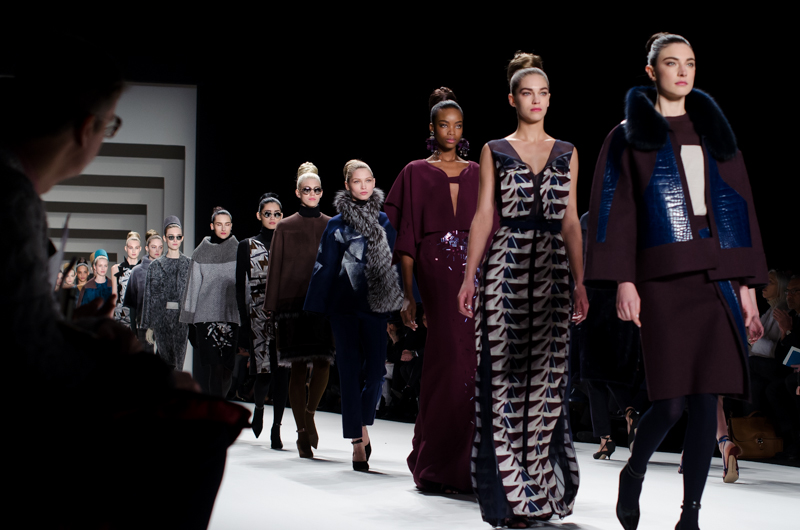
- Runway and Haute Couture: High-fashion shows set aspirational standards, introducing new silhouettes, fabrics, and concepts. Designers experiment with avant-garde ideas that often influence mass-market fashion.
- Streetwear and Subculture Influence: Urban trends, music, and youth culture drive casual, practical, and expressive fashion movements, emphasizing individuality and authenticity.
- Celebrity and Influencer Impact: Public figures shape fashion perceptions, driving consumer demand and popularizing specific styles. Social media amplifies these effects.
- Seasonal Cycles: Spring/Summer and Fall/Winter collections align with climatic considerations and retail marketing, dictating color palettes, fabric choices, and silhouettes.
The evolution of trends highlights the constant interplay between creativity, culture, and consumer behavior.
Fashion and Technology
Technological integration has transformed both design and consumption in fashion.
- Textile Innovation: Smart fabrics, wearable tech, and performance materials enhance functionality while maintaining aesthetics. Fabrics can now regulate temperature, resist stains, or integrate sensors.
- 3D Printing: Allows designers to create complex, customizable pieces rapidly, expanding creative possibilities and reducing waste.
- Digital Fashion: Virtual garments and augmented reality enable online try-ons, digital collections, and metaverse fashion experiences.
- Sustainable Manufacturing: Technology facilitates efficient production, waste reduction, and traceability in supply chains, meeting environmental standards.
Technology in fashion merges creativity with efficiency, sustainability, and consumer engagement.
Fashion Psychology and Consumer Behavior
Fashion influences and reflects psychological factors, affecting consumer choices and social perception.
- Self-Expression: Clothing allows individuals to project personality, status, and mood. Colors, patterns, and textures convey subtle messages to observers.
- Social Perception: Fashion impacts first impressions, professional credibility, and social belonging. Well-curated attire can influence confidence and interpersonal interactions.
- Emotional Connection: Nostalgia, cultural references, and personal style create emotional bonds with fashion, driving loyalty and consumption.
- Trend Adoption: Peer influence, media exposure, and cultural movements shape purchasing decisions and style choices.
Understanding psychological aspects helps explain the enduring importance of fashion in daily life and consumer engagement.
Sustainability and Ethical Considerations in Fashion
The fashion industry faces increasing scrutiny over environmental and social impacts, prompting ethical practices.
- Fast Fashion Challenges: Rapid production cycles, synthetic materials, and waste contribute to environmental degradation and labor exploitation.
- Eco-Friendly Materials: Organic cotton, bamboo, recycled polyester, and plant-based dyes reduce environmental footprint.
- Ethical Labor Practices: Fair wages, safe working conditions, and supply chain transparency improve social accountability.
- Circular Fashion: Recycling, upcycling, and resale markets extend garment life and reduce resource consumption.
Sustainable fashion balances aesthetic appeal with ethical responsibility, addressing environmental and societal concerns.
Fashion and Globalization
Global interconnectedness has transformed how fashion trends emerge, spread, and influence markets.
- Cultural Exchange: Designers incorporate motifs, textiles, and techniques from various cultures, enriching global style vocabulary.
- International Retail: Global brands expand presence through flagship stores, e-commerce, and cross-border collaborations.
- Digital Platforms: Social media accelerates trend adoption, allowing designers and consumers to interact globally in real time.
- Economic Interdependence: Fashion supply chains span continents, linking material sourcing, production, and distribution across multiple countries.
Globalization creates a dynamic ecosystem where fashion is both locally rooted and internationally influenced.
Emerging Trends and the Future of Fashion
Fashion continues to evolve with technological, social, and cultural shifts.
- Virtual and Digital Fashion: Avatars, NFTs, and metaverse clothing redefine the concept of ownership and creativity in fashion.
- Sustainable Innovation: Biodegradable fabrics, zero-waste production, and renewable energy integration will define future practices.
- Inclusive Fashion: Adaptive clothing, gender-neutral collections, and diverse representation address broader societal needs.
- Smart Wearables: Clothing that monitors health, connectivity, and comfort merges functionality with aesthetics.
- Local Artisanal Revival: Consumers increasingly value handcrafted, heritage-driven fashion, blending tradition with modern sensibilities.
These emerging trends indicate that fashion is both a reflection of cultural evolution and a driver of innovation.
FAQ Section
Q1: How does fashion reflect cultural identity?
Fashion embodies cultural heritage through traditional garments, fabrics, and motifs, allowing individuals to express ancestry and community values.
Q2: What role does sustainability play in fashion today?
Sustainability addresses environmental impact, ethical production, and resource conservation, influencing consumer preferences and industry practices.
Q3: How has technology transformed fashion design?
3D printing, digital textiles, and AI-assisted design enable innovative creativity, customization, and efficient production.
Q4: What is the economic impact of the fashion industry?
Fashion contributes significantly to global GDP, employment, and trade, influencing economies from manufacturing hubs to retail markets.
Q5: How do psychological factors influence clothing choices?
Clothing choices convey personality, social status, and mood, affecting confidence, perception, and social interaction.
Q6: What is the significance of digital fashion and NFTs?
Digital fashion offers virtual ownership, creative experimentation, and integration with metaverse platforms, expanding the boundaries of style.
Q7: How can consumers support ethical fashion?
Supporting fair labor practices, sustainable materials, and circular fashion initiatives encourages responsible industry standards and social accountability.
Conclusion
Fashion is an intricate intersection of art, culture, psychology, and commerce. Its influence extends beyond aesthetics, shaping personal identity, societal norms, and global economies. Through historical evolution, technological innovation, and sustainable practices, fashion continues to adapt to changing cultural, environmental, and economic landscapes. By embracing creativity, responsibility, and inclusivity, the fashion industry remains a powerful force that expresses individuality while reflecting collective societal values.