
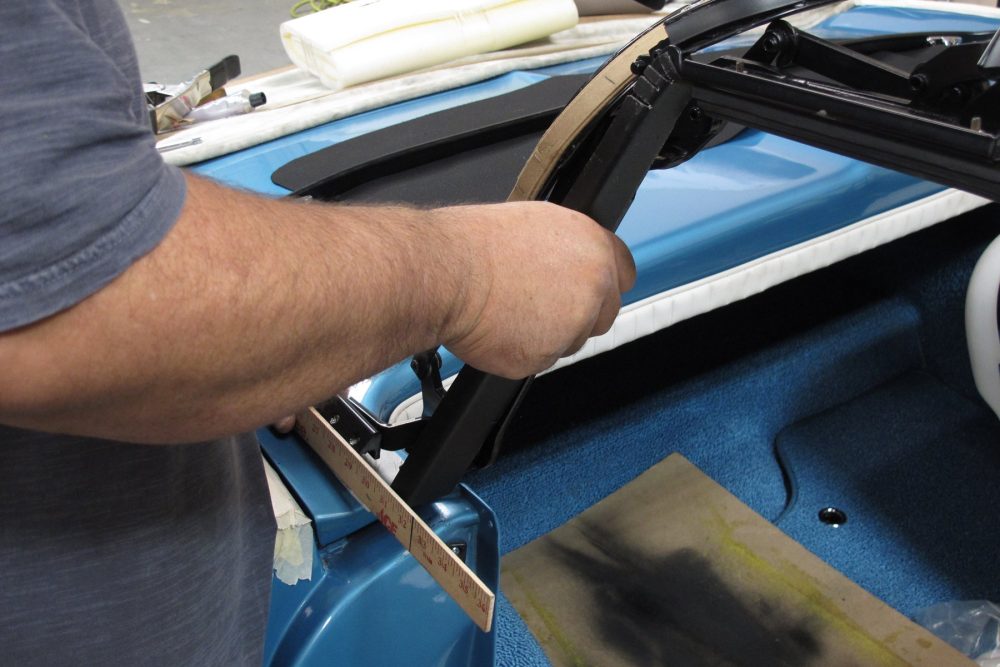
Understanding the Anatomy of Your Convertible Top
Decoding the Material: Canvas vs. Vinyl
When it comes to convertible tops, material choice is paramount as it directly influences both durability and aesthetics. The two primary materials utilized in modern convertible tops are canvas and vinyl. Canvas, which is often made from polyester or cotton, boasts an intrinsic elegance and traditional allure that many enthusiasts favor. Its texture provides a softer feel and often better insulation against ambient noise, though it requires regular maintenance and protection from the elements, especially from UV rays which can lead to fading over time. In contrast, vinyl is lauded for its resilience and water-resistant properties. It is easier to clean and maintain, requiring nothing more than a simple wipe down to keep it looking new. However, vinyl can suffer from cracking or becoming brittle when exposed to extreme temperatures for prolonged periods. Understanding the characteristics of both materials is crucial in making an informed decision that complements your vehicle’s design and your personal style.
The Mechanics: How Convertible Tops Operate
The operational mechanics of convertible tops are fascinating, as they embody a blend of engineering and design. Convertible tops can be either manual or powered, with each system employing distinct mechanisms to enable the top’s smooth transition between opened and closed positions. Manual convertible tops typically employ a series of levers and hinges, requiring physical exertion to operate. These systems, while requiring a hands-on approach, allow for an intimate interaction with the vehicle, often favored by purists. On the other hand, power-operated tops leverage motors and hydraulic systems to achieve automated closure and opening. This convenience comes at a potential cost—greater complexity and a higher chance of mechanical failures. Familiarizing yourself with your convertible top’s specific operating mechanics is vital, as it influences maintenance routines and troubleshooting procedures.
The Importance of Seals and Edges
Seals and edges play a pivotal role in the effectiveness of convertible tops. High-quality seals ensure that no water leaks into the cabin during rain, thereby preventing mold development and interior damage. Edges are equally important; they must be expertly designed and fitted to ensure durability under routine use and exposure to various environmental factors. Over time, seals can degrade or become brittle, resulting in undesirable air and water leaks. Therefore, when considering a replacement top, it’s essential to choose a product that includes high-quality seals in the design or is compatible with new seals. This attention to detail ensures not only a snug fit but also enhances the longevity of your new convertible top, contributing to a comfortable driving experience.
Choosing the Right Replacement: Quality Over Cost
Identifying OEM vs. Aftermarket Parts
When it comes to replacing your convertible top, deciding between OEM (Original Equipment Manufacturer) parts and aftermarket options is one of the first critical choices you’ll face. OEM parts are made by the car manufacturer to the exact specifications of the original components. They may be more expensive, but they guarantee a fit that is perfectly aligned with your vehicle’s design. They often come with warranties that offer peace of mind regarding quality and performance. Conversely, aftermarket parts are manufactured by third-party companies and can offer a broader range of price points and options. While some aftermarket products are high-quality, others might compromise on materials or design, which could affect the performance and longevity of your convertible top. Researching reputable manufacturers and reading customer reviews can provide valuable insights into which aftermarket options might stand up against OEM quality. Ultimately, recognizing your budget and how you intend to use your convertible will guide you in making the right selection.
Evaluating Durability: What to Look For
Durability doesn’t just pertain to the material used in the top; it includes how the top is constructed and the quality of the stitching. Look for reinforced stitching in critical areas, as this indicates a more robust product that can withstand weather extremes and the stresses associated with regular use. Fabric should be treated to resist mildew, UV rays, and fading. Louis Vuitton once said, “Quality is remembered long after the price is forgotten,” and this rings especially true for convertible tops. Investing in a durable top may seem expensive upfront but saving money on frequent replacements in the long run is a worthier consideration. Furthermore, confirm whether the manufacturer provides guidelines on exposure to environmental factors—like extreme cold or heat—since certain materials can react adversely when consistently subjected to harsh conditions.
Finding Trusted Suppliers: Recommendations and Reviews
With the vast number of suppliers in the automotive parts market, finding trustworthy sources for your convertible top replacement can feel daunting. Start by checking for suppliers who specialize in convertible tops or automotive fabrications. Reading customer reviews on platforms like Amazon or forums dedicated to automotive enthusiasts can provide crucial insights into the experiences of other car owners. Additionally, seeking recommendations from local automotive repair shops and clubs can help you filter out reliable suppliers. Look for suppliers that offer comprehensive customer service support, as willingness to answer questions and provide installation guidance often reflects a company’s commitment to quality. Also, consider suppliers that have a return policy, ensuring that if the top you’re considering doesn’t meet your expectations upon arrival, you have options to rectify the situation.
Mastering the Removal Process: Step-by-Step Guide
Tools of the Trade: What You’ll Need
Successfully replacing your convertible top takes meticulous planning and the right tools. Invest in a quality toolkit that includes screwdrivers of various sizes, pliers, a putty knife or a seam ripper, and wrenches. A clean workspace is also essential; be sure to have a soft cloth on hand to prevent scratches on your car’s paint during the removal process. Additionally, a heat gun can help soften any adhesives that may be holding your existing top in place, simplifying its removal. Also on your supply list should be replacement sealants, adhesives, and weatherstripping, as these components may need replacing during the installation of your new top. Ensure that you read through the specific tools required in the product manual of your convertible top, as they may have unique needs based on the original manufacturing process.
Safety First: Precautions to Take
While the process of replacing a convertible top can be rewarding, it is key to prioritize safety to avoid injuries or damage to your vehicle. First, ensure you’re working in a well-ventilated area, especially if you’re using adhesives or sealants with strong fumes. Protect your eyes with goggles, and consider wearing gloves to prevent any unwanted contact with chemicals or rough materials. If you’re working outdoors, be aware of the temperature changes that can affect the materials you’re handling. Also, if your convertible top has any electronic components, make sure to disconnect the vehicle’s battery to avoid any electrical mishaps. Taking these precautions not only protects you but also preserves the integrity of your vehicle throughout the installation process.
A Methodical Approach: How to Avoid Common Mistakes
One of the primary pitfalls when replacing a convertible top is hasty work; patience is critical. Begin by documenting the installation with photographs—this will guide you during reinstallation and help in identifying how components are put together. Start by carefully removing the old top, taking care to preserve any reusable components. Label components and fasteners during removal with tape to avoid confusion during reinstallation. Another mistake is neglecting to assess the underlying frame for damages or corrosion before fitting the new top. This often overlooked step can lead to an improper fit, resulting in misalignment or leaks down the road. Dedicating time to this preparatory phase will enhance both the ease of installation and the longevity of your new convertible top.
Installation Insights: Making Your New Top Fit Like a Glove
Alignment and Tightening: Tips for a Seamless Finish
The key to a flawless installation of your convertible top lies in meticulous alignment and tightening. Begin by carefully positioning the top over the vehicle’s frame, ensuring that it aligns precisely with mounting points. Many convertible tops come with premarked areas for attaching to the vehicle, use these guides as a reference. Once aligned, start tightening fasteners in a cross-pattern rather than sequentially to evenly distribute tension across seams. This method helps avoid warping and ensures a snug fit. If the top features an elastic hem, ensure it is appropriately stretched yet not over-extended, maintaining both functionality and aesthetics. Double-check your work as you go along; a key indicator of a well-installed top is that it should smoothly operate from open to closed without any snagging or resistance.
Weatherproofing Your Convertible: Sealing Techniques
After installation, effective weatherproofing is essential to ensure your convertible top performs optimally. The seals around the edges need special attention, as they are responsible for keeping moisture out. Use a quality sealant where necessary, and don’t forget to apply it to any seams that might have been compromised during the removal of the old top. Additionally, consider using a protective spray specifically formulated for convertible tops; these sprays create a barrier against the elements. Be diligent in applying it according to the manufacturer’s instructions to maximize protection. Regularly inspecting these seals is also crucial; keeping an eye on their condition will allow you to address any issues before they escalate.
Cares and Maintenance: Extending the Life of Your New Top
Once your new convertible top is in place, maintaining its condition should be a top priority to ensure longevity. Routine cleaning is essential—use soft brushes and recommended cleaning solutions to prevent grime buildup, particularly in the seams and folds where dirt accumulates. When detailing, always work from top to bottom to avoid grinding debris into the material. Additionally, occasionally treating your top with a UV protectant can shield against sun damage and fading. Moreover, during extreme weather conditions, consider storing your convertible top in either a garage or a protective cover when not in use. These habits will not only keep your convertible looking immaculate but will also promote a longer lifespan, allowing you to enjoy the thrill of driving a convertible year after year.
FAQ
Question: How can I tell if my convertible top needs replacement? – Inspect for visible damage such as tears, fraying, or water leaks. Additionally, check for worn seals and edges, as well as the general appearance of the material, which may indicate it is time for a replacement.
Question: What tools do I specifically need to remove the old top? – Essential tools include screwdrivers of various sizes, pliers, a putty knife or seam ripper, heat gun, and wrenches. Don’t forget to have replacement sealants and adhesives on hand as well.
Question: How can I maintain the appearance of my new convertible top? – Regular cleaning with soft brushes and recommended cleaning solutions, along with using UV protectants will help prevent grime buildup and fading. Store the vehicle covered during extreme weather for additional protection.
Question: Can I install a convertible top myself, or should I hire a professional? – While DIY installation is possible, it requires the right tools, meticulous attention to detail, and a good understanding of the process. If you’re unsure, it’s wise to hire a professional to ensure optimal results.
Question: Are there specific brands known for quality convertible tops? – Reputable brands can vary, but it’s beneficial to read customer reviews and seek recommendations from automotive professionals. Brands with a history of durability and positive feedback are typically a safe bet.
Question: How long can I expect a new convertible top to last? – The lifespan of a convertible top depends on the material used, environmental factors, and maintenance. With proper care, both canvas and vinyl tops can last several years to a decade or more.
Question: Is weatherproofing necessary after installation? – Yes, effective weatherproofing is crucial as it protects the interior from moisture and extends the life of the top. Applying appropriate sealants and protective sprays will ensure optimal performance.
Question: What should I do if my new convertible top is leaking? – Inspect the seals and edges for installation issues or degradation. If leaks persist, you may need to reapply sealant or consult a professional to assess and rectify the problem effectively.
Useful Resources
- Edmunds – Automotive Resources
- Hagerty – Classic Car Resources
- com – Car Buying Guides and Reviews
- Consumer Reports – Product Reviews and Guides
- NAPA – Automotive Parts and Supplies
- Car and Driver – Automotive News and Reviews
- AutoTrader – Vehicle Listings and Buying Tips
- CarsGuide – Automotive Advice and News