
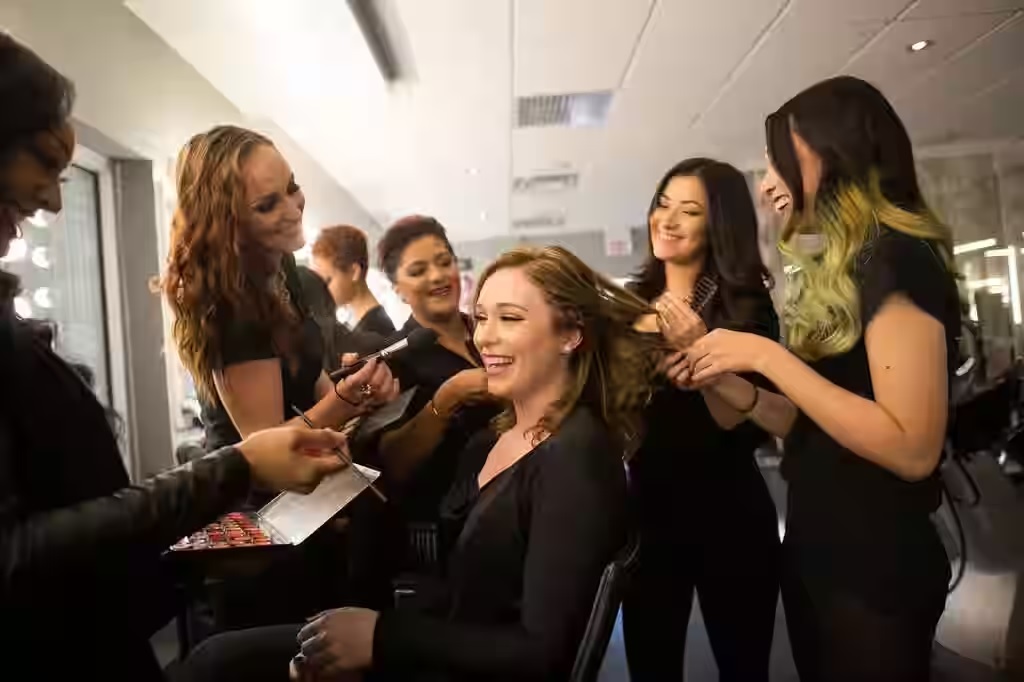
Embarking on the Adventure: What to Expect at Cosmetology School
Orientation and First Impressions: Setting the Stage
Stepping into cosmetology school is akin to stepping into a world brimming with creativity and potential. Orientation often serves as the first glimpse into a dynamic learning environment where future beauty professionals share a common goal. During this pivotal introduction, students are immersed in the culture of the school, learning about its history, values, and vision for cultivating artistic talent. It’s a time to meet instructors, many of whom are seasoned professionals with years of experience in the beauty industry, ready to share their wisdom and insights. As students settle into their new environment, they begin to appreciate the diversity of their peers—each person bringing unique backgrounds and perspectives that enrich the learning experience.
The first impressions formed during orientation set the tone for the journey ahead. Students engage in icebreaking activities designed to foster camaraderie and collaboration, which are essential throughout their educational journey and beyond. The vibrant atmosphere is charged with excitement and curiosity, igniting a passion for beauty and self-expression. By the end of orientation, aspiring cosmetologists are not just aware of what they will be learning; they are also equipped with the knowledge to navigate the exhilarating yet challenging world of beauty, ready to turn their dreams into reality.
Curriculum Breakdown: The Art and Science of Beauty
The curriculum in cosmetology school is meticulously designed to encompass both the artistic and scientific aspects of beauty. Courses are typically structured to provide a strong theoretical foundation paired with hands-on workshops, ensuring that students gain a comprehensive understanding of the beauty industry. Core subjects often include hair cutting, coloring, skin care, makeup application, and nail technology, each demanding a unique set of skills and knowledge. Behind every technique taught lies a wealth of information about anatomy, physiology, and chemistry—subjects that inform the practical skills that beauty professionals rely on daily.
In addition, many schools offer advanced courses that delve deeper into specialized areas, enabling students to graduate with expertise in specific fields. Electives may cover trending topics such as sustainability in beauty, product formulation, and the latest wellness practices. This emphasis on diverse learning prepares students not only for traditional roles in salons but also for emerging positions in the ever-evolving beauty sector. As such, the curriculum serves as a bridge between passion and professionalism, empowering aspiring cosmetologists to explore the multifaceted beauty realm and identify the paths that resonate most with their passions.
Hands-On Experience: From Theory to Practice
One of the hallmark features of cosmetology education is the extensive hands-on experience provided throughout the program. This practical component is critical, as it allows students to apply the theories they’ve learned in real-world settings. Most schools have fully equipped salons where students practice their skills on clients under the guidance of experienced instructors. From the moment they begin working with clients, students learn how to establish rapport, assess client needs, and deliver satisfying results while adhering to safety and sanitation standards. These experiences not only build technical skills but also enhance communication and client-service abilities, essential traits for a successful career in beauty.
Students find that actual salon experience significantly boosts their confidence, allowing them to experiment with various techniques and styles. Interacting with diverse clientele also cultivates adaptability and problem-solving skills, as each client brings unique requests and challenges. In addition to salon work, many programs include opportunities for students to participate in local events, fashion shows, and competitions, providing them with a platform to showcase their talents and network with industry professionals. By the time they graduate, cosmetology students are not merely well-trained; they are also seasoned practitioners ready to step into the industry with confidence and poise.
Mastering Techniques: Skills You’ll Acquire and Refine
Hair Design: Unveiling the Secrets of Cutting and Coloring
Hair design is one of the most visible and impactful areas of cosmetology. Students delve into the fundamentals of cutting techniques, exploring various styles, textures, and lengths that can transform a client’s appearance. The curriculum typically encompasses classic cuts, as well as modern trends, ensuring that students are well-versed in both timeless techniques and contemporary styles. Understanding hair anatomy, growth patterns, and scalp health also plays a significant role in delivering safe and effective results that satisfy clientele.
Color theory is equally critical, as the right color can elevate a look and enhance a person’s natural features. Cosmetology students learn about color formulation, including how to mix shades, understand underlying tones, and select appropriate techniques for different hair types. They practice techniques such as balayage, ombre, and foiling. In addition, knowledge of hair care products is essential for maintaining color longevity and integrity, with students learning about shampoos, conditioners, and treatments tailored to specific hair needs. This comprehensive understanding positions graduates to provide expert consultations and personalized recommendations, fostering long-term client relationships.
Skincare and Makeup Application: The Science Behind the Glam
The beauty of skincare and makeup application lies not only in enhancing appearances but also in promoting confidence and self-esteem among clients. In cosmetology school, future makeup artists study skin types, conditions, and appropriate products designed to treat and enhance various skin concerns. This foundation empowers students to create personalized skincare regimens and makeup looks that highlight individual beauty. Techniques taught include color correction, contouring, and mastering the use of different tools such as brushes, sponges, and airbrush equipment.
Moreover, the curriculum often emphasizes the importance of health and sanitation in skincare practices. Understanding how to maintain a hygienic workspace and using safe products is crucial in preventing skin irritation or infections. A deep dive into ingredient knowledge amplifies a cosmetologist’s ability to cater to specific client needs, helping them to build trust and credibility in their expertise. Hands-on practice sessions, including applications for special events and editorial shoots, enable students to refine their craft, ensuring they enter the industry with a competitive edge and a well-rounded portfolio of skills.
Nail Technology: Crafting Artistry with Every Stroke
Nail technology encompasses a diverse array of skills, from basic manicures and pedicures to intricate nail art and design. In cosmetology school, students explore the anatomy of the nail, understanding growth patterns and common conditions while learning proper shaping techniques and care practices. The courses often angle towards nail enhancements, where techniques such as acrylics, gels, and polishes come into play, allowing students to experiment with various materials and methodologies to achieve the desired aesthetic.
Artistry is a hallmark of nail technology; students will practice freehand painting, stamping, and incorporating mixed media like jewels and decals. Nail art has surged in popularity, allowing creative expression that complements overall beauty looks. In today’s industry, having a strong grasp of the latest trends and technologies, such as gel polish and dip powder systems, equips students to meet client demand and stand out in a competitive market. Additionally, learning about product chemistry—how nail polishes and treatments work—can offer insights into the best practices for client care, increasing repeat business and fostering loyalty.
The Power of Networking: Building Connections in the Beauty Industry
Mentorship: Learning from the Best in the Business
Networking is an indispensable element of success in the beauty industry, with mentorship serving as a cornerstone of professional development. Many cosmetology schools emphasize the importance of forming relationships with experienced professionals who offer guidance, insight, and support as students navigate their careers. Engaging with mentors—whether they are instructors, industry experts, or experienced stylists—can significantly influence a student’s trajectory, often providing invaluable lessons that shape both their skills and personal philosophies.
A strong mentor-mentee relationship fosters an environment of learning where students can ask questions, receive constructive criticism, and obtain practical advice based on real-world experiences. They gain a deeper understanding of the varied paths available, from salon work and product sales to independent entrepreneurship and beyond. In addition, many beauty professionals become lifelong advocates for their mentees, facilitating introductions to important industry contacts, which can be critical in securing job placements or expanding clientele.
Building Relationships with Peers: Collaboration Over Competition
While the beauty industry is often viewed as competitive, students learn that collaboration can lead to tremendous opportunities for growth and success. Forming friendships and alliances with fellow students during cosmetology school cultivates an environment of shared knowledge and support. These relationships can evolve into partnerships post-graduation, leading to collaborative projects, shared spaces, and referral systems that benefit all involved. Classmates often become a crucial part of each other’s professional networks, exchanging tips, job leads, and resources that may not be accessible on their own.
Additionally, shared experiences—whether tackling challenging coursework or celebrating successful projects—help students develop teamwork and communication skills that are vital in both salon environments and freelance positions. Learning to work collaboratively fosters a spirit of community and support, encouraging beauty professionals to lift one another up rather than tear each other down. These connections create a sense of belonging within the industry, reinforcing that success is not just measured by individual achievement but also by collective progress.
Finding Your Niche: Specializations that Make You Stand Out
As students progress through cosmetology school, they are encouraged to explore various fields of specialization, allowing them to carve out unique identities within the beauty industry. Finding one’s niche not only enhances employability but also ensures fulfillment and passion for one’s work. Some may excel in the realm of bridal and special occasion styling, while others may find their calling in editorial work, fashion shows, or product innovation.
Many schools offer advanced courses or certifications in specialized areas, providing students with the opportunity to enhance their skill sets further. For example, those pursuing a career in skincare may dive deeper into esthetics, learning advanced techniques such as chemical peels and microdermabrasion. Others may choose to focus on hair extensions or wig design, which are increasingly sought-after services. By identifying a specialization, beauty professionals can differentiate themselves in a crowded market, create targeted marketing strategies, and attract clients whose needs align with their unique offerings, thus positioning themselves for long-term success and satisfaction.
Graduation and Beyond: Launching Your Career in Beauty
Creating a Compelling Portfolio: Showcasing Your Unique Style
As graduation approaches, one of the most crucial aspects of preparing for a career in cosmetology is developing a compelling portfolio that showcases a student’s diverse skills and unique style. The portfolio serves not only as a visual representation of one’s capabilities but also as a powerful marketing tool when seeking employment or freelance opportunities. Students are encouraged to document their work throughout their education, capturing before-and-after photos, created looks, and client testimonials.
A well-curated portfolio demonstrates an individual’s range and creativity, encompassing various styles across hair, makeup, and nail design. Including descriptions alongside each image can provide potential employers with insights into the thought processes, techniques, and products used in creating each look. Engaging in internships, student competitions, or collaborative projects provides rich material for portfolios, and students can then showcase their adaptability and growth. This portfolio crafting process not only solidifies one’s identity within the industry but also fosters professionalism, setting the stage for a successful entrance into the competitive beauty world.
Job Search Strategies: Navigating the Beauty Job Market
The beauty industry offers numerous pathways, from working in salons and spas to pursuing opportunities in fashion, film, and events. Graduating from cosmetology school equips students with the essential skills, but navigating the job market requires strategic planning and perseverance. Networking plays a pivotal role here; leveraging connections made during school and internships can yield job leads and introductions to key industry players. Attending beauty trade shows, workshops, or community events can expand one’s professional circle, generating valuable opportunities that may not be advertised.
In preparation for job applications, presenting a polished resume and cover letter is essential. Highlighting relevant experience, education, and specialized skills can distinguish candidates. Additionally, platforms like LinkedIn can be utilized to build an online presence, showcasing accomplishments and attracting potential employers. Aspiring cosmetologists should also consider joining industry associations, which often provide access to job boards and professional resources, thus enhancing their visibility and credibility in the competitive landscape.
Continuing Education: Staying Ahead in a Dynamic Industry
Graduation is not the end of the educational journey; in a fast-evolving industry, staying current with trends, techniques, and technologies is imperative. Many successful cosmetologists emphasize the importance of continuing education to refine skills, explore new services, and remain competitive. Numerous workshops, online courses, and seminars are available, allowing beauty professionals to deepen their expertise in specialized areas or gain certification in new techniques, such as advanced color application or sustainable beauty practices.
Additionally, following industry influencers, brands, and publications keeps professionals informed about emerging trends and innovative products. Engaging in online forums and discussion groups provides a platform for sharing experiences and insights with industry peers. By embracing lifelong learning, cosmetologists not only elevate their skills but also position themselves as knowledgeable authorities, ultimately enhancing client trust and fostering long-term career growth.
FAQ
Question: What are the admission requirements for cosmetology school? – Admission requirements can vary by school, but typically include a high school diploma or GED, a completed application, and sometimes an interview or portfolio review.
Question: How long does it take to complete cosmetology school? – The duration of cosmetology programs typically ranges from 9 to 15 months, depending on the full-time or part-time schedule and specific school curricula.
Question: Are there state licensing exams after graduation? – Yes, most states require graduates to pass a licensing exam, which often includes both written and practical components, to practice professionally as cosmetologists.
Question: Can I specialize in more than one area of cosmetology? – Yes, many cosmetology schools encourage students to explore multiple specializations, allowing them to expand their skill set and services offered to clients.
Question: What types of careers can I pursue with a cosmetology degree? – Graduates can pursue various careers, including hairstylist, esthetician, makeup artist, nail technician, salon manager, or even start their own beauty business.
Question: Is continuing education mandatory in cosmetology? – While continuing education is not always mandatory, it is highly recommended for maintaining licenses and staying current with new trends and techniques in the industry.
Question: What is the typical salary for a cosmetologist? – Salaries can vary widely based on location, experience, and specialization, but the average salary for a cosmetologist in the U.S. is approximately $30,000 to $50,000 annually, plus tips and commissions.
Question: How can networking improve my career in cosmetology? – Networking allows you to build connections with industry professionals, leading to job opportunities, mentorship, and collaboration, which can enhance your career growth and success in the beauty field.
Useful Resources
- National Cosmetology Association
- Nail Technology Association
- Skin Inc. Magazine
- American Salon
- Beauty Buzz
- International Salon and Spa Expo
- Behance – Creative Portfolio Platform
- LinkedIn – Professional Networking