
What is a Remanufactured Transfer Case and Why Should You Care?
A remanufactured transfer case is a significant component of a four-wheel-drive or all-wheel-drive vehicle, playing a pivotal role in the distribution of power between the front and rear axles. Essentially, it enables your vehicle to optimize traction and manage different driving conditions, whether you’re traversing icy roads or navigating rugged terrains. Understanding what a remanufactured transfer case entails, and why it matters becomes crucial for car owners aiming to maintain vehicle performance and enhance longevity.
A remanufactured transfer case is not merely a used or refurbished component; it goes through a thorough process where it is disassembled, cleaned, and rebuilt using new parts or components that meet or exceed original specifications. This means that quality is paramount and ensures that the transfer case can perform as intended. The underlying reason to care about this lies in its significant impact on vehicle performance, safety, and overall cost-efficiency in the long run, making it an essential topic for vehicle owners.
The Inner Workings of a Transfer Case
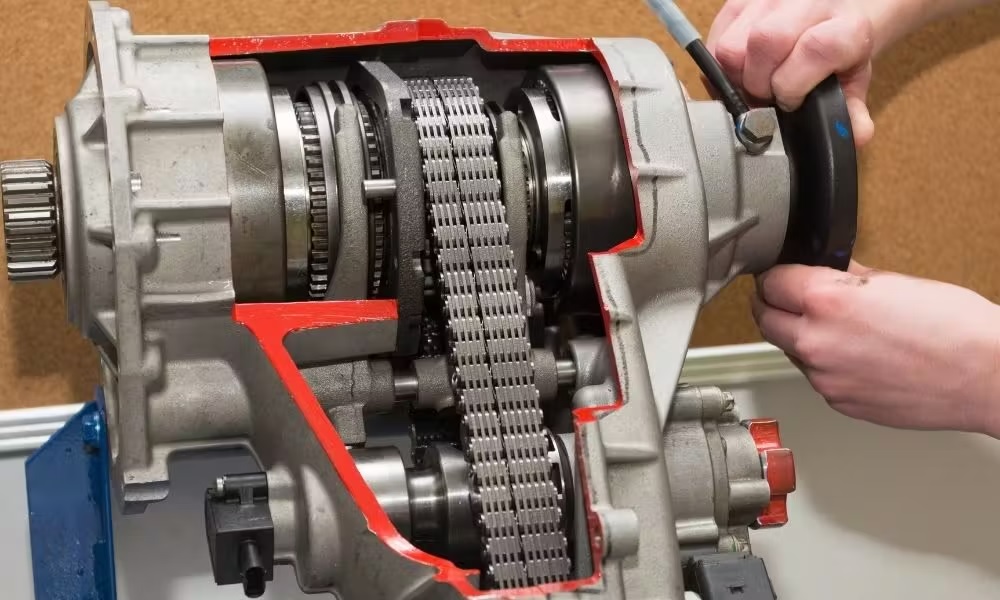
The transfer case is an intricate system that acts as a gearbox to manage torque distribution between the front and rear wheels. Located between the transmission and the drive shafts, it is designed to facilitate different drive modes; for example, many vehicles offer settings for 2WD (two-wheel drive), 4WD (four-wheel drive), and low-range 4WD for rough terrain. The design of a transfer case can vary significantly depending on the vehicle type and its intended use, with some systems being more complex than others, featuring integrated electronic controls and advanced capabilities such as traction control and limited-slip differentials.
When the driver decides to shift between driving modes, the transfer case engages with the drive shafts to redirect power accordingly, ensuring that the vehicle adapts to terrain changes efficiently. Additionally, modern transfer cases are often equipped with sensors and electronic actuators that enhance responsiveness, making driving easier and safer. However, these complexities make them susceptible to wear and tear over time, thus emphasizing the importance of high-quality remanufactured options for replacing faulty components.
Remanufacturing vs. Rebuilding: The Key Differences
Remanufacturing and rebuilding are terms often used interchangeably, but they represent distinct processes in the automotive world. When a transfer case is rebuilt, it often entails disassembling the component, replacing any obvious worn parts, and putting it back together. In contrast, remanufacturing takes it several steps further. It involves not only replacing essential parts but also testing and cleaning all remaining components to ensure that they meet stringent standards, resulting in a product that is as close to new as possible.
The benefits of choosing a remanufactured transfer case over a merely rebuilt one lie in the guarantee of quality. Manufacturers of remanufactured parts often adhere to rigorous inspection and testing protocols, resulting in items that come with warranties much akin to new parts. Moreover, in the event of specialized components or technology enhancements being incorporated, the remanufactured version can outperform its older counterparts, ultimately providing greater value.
The Environmental Impact: Why Remanufactured Parts Matter
The choice to go with remanufactured parts also resonates with the current global emphasis on sustainability. The remanufacturing process requires significantly less energy than producing new components from raw materials. According to various industry studies, remanufactured products can help save up to 85% of the energy used in manufacturing new parts, which in turn reduces carbon footprints and conserves natural resources.
In an age where consumers are increasingly conscientious about their environmental impact, opting for remanufactured parts such as transfer cases signifies a commitment to sustainability. It not only ensures you’re making responsible choices but also supports a circular economy by giving new life to existing resources, thereby reducing waste. Thus, when considering a vehicle’s maintenance, the decision to utilize remanufactured parts stands as both an economically and ecologically sound investment.
Unlocking the Advantages: Why Go Remanufactured?
For car owners grappling with the decisions surrounding vehicle repairs or replacements, understanding the specific advantages of remanufactured components, particularly transfer cases, becomes vital. Carefully weighing these benefits can inform smarter decision-making, ensuring not only immediate performance boosts but also long-term gains in vehicle reliability and financial savings.
Cost-Effectiveness Without Compromise
When it comes to repair costs, vehicle owners often face a daunting reality. New OEM (original equipment manufacturer) transfer cases can carry exorbitant price tags, especially for high-end or specialized vehicles. Conversely, remanufactured options offer a cost-effective solution without sacrificing quality. By utilizing a remanufactured transfer case, vehicle owners can expect to save anywhere from 30% to 50% compared to purchasing a brand-new unit.
This remarkable cost savings is not merely superficial; it aligns sympathetically with the longevity and reliability of remanufactured parts. As they often meet or exceed original manufacturer specifications, users can enjoy improved performance and less likelihood of unexpected failures, yielding long-term savings on maintenance costs and downtime.
Quality Assurance: Standards You Can Trust
Quality is the cornerstone of any automotive component, and remanufactured transfer cases are no exception to this rule. Manufacturers dedicated to remanufacturing adhere to strict industry standards and often engage in quality control measures that monitor every aspect of the process. Each remanufactured part undergoes a series of tests, including performance tests, pressure tests, and precision measurements, ensuring that safety, performance, and durability are paramount.
Moreover, the quality assurance offered with remanufactured transfer cases is often accompanied by warranties, which serve as additional indicators of reliability. A comprehensive warranty provides peace of mind, guaranteeing that any unforeseen issues will be addressed at no cost to the owner. This level of assurance embeds confidence in the purchase and solidifies the remanufactured option as a compelling choice for prudent consumers.
The Performance Boost: Elevating Your Vehicle Experience
Upgrading to a remanufactured transfer case also signifies a potential performance upgrade, particularly for those whose vehicles may be aging. With advancements in technology and engineering, remanufactured components embrace modern innovations that could enhance vehicle capabilities. Such upgrades could translate to smoother transitions between drive modes, improvements in torque distribution, and overall enhanced handling and control.
Furthermore, rejuvenating your vehicle with a remanufactured transfer case can help restore lost performance metrics that may have diminished due to wear over time. As with any essential vehicle component, preserving peak performance is key to ensuring safety and optimizing driving experiences, particularly for those who regularly find themselves driving in more demanding conditions.
Installation Insights: What to Expect with a Remanufactured Transfer Case
Once a decision has been made to purchase a remanufactured transfer case, vehicle owners often turn their attention to the installation process. Understanding what to expect in terms of installation can help mitigate anxiety and provide clarity during this important stage of the repair.
Is DIY Installation Worth the Risk?
For the do-it-yourself mechanic, the allure of installing a remanufactured transfer case can be tantalizing. However, undertaking such a task requires careful consideration. This component is not only critical to the vehicle’s performance but also can be notoriously complicated to install due to its location and the intricacies involved with the drivetrain. A successful installation typically requires specialized tools, equipment, and expertise that the average car enthusiast may not possess.
Furthermore, the risk of improper installation could lead to further complications, including potential damage to the new transfer case or surrounding components, thereby incurring additional costs and headaches. For most vehicle owners, entrusting the installation to a qualified professional is advisable. It can bring peace of mind and assurance that the work has been completed following manufacturer specifications, thereby protecting the integrity of the vehicle.
Finding a Reliable Mechanic: What to Look For
Choosing the right mechanic to handle the installation of a remanufactured transfer case can significantly affect the overall experience. Vehicle owners should seek mechanics who specialize in drivetrain components, as they are more likely to understand the specific challenges associated with this task. Furthermore, seeking recommendations and reading reviews can help identify qualified shops that maintain a reputation for delivering high-quality work.
When selecting a mechanic, consider asking about their experience with remanufactured parts and their approach to warranties. A reputable professional should be willing to discuss the installation process, address any concerns, and provide insights into how they will ensure quality throughout the installation. Establishing a genuine connection with a mechanic can further enhance trust and ultimately lead to a more positive experience.
The Installation Timeline: What Happens When?
Preparing for the installation of a remanufactured transfer case involves understanding the anticipated timeline. Depending on the complexity of the installation and the mechanic’s workload, the process may take anywhere from a few hours to an entire day. While some installations might be straightforward, others could encounter complications requiring additional time for adjustments or repairs.
It’s wise to communicate your expectations with the mechanic, allowing for transparency around timelines and possible delays. Staying informed throughout the installation process helps prepare vehicle owners for any contingencies, ensuring that they can arrange alternative transportation if necessary.
Maximizing Longevity: How to Care for Your Transfer Case
Taking proactive steps to care for a remanufactured transfer case can prolong its lifespan and maintain optimal performance. Knowledge of maintenance practices and signs of wear empowers vehicle owners to intervene when necessary, reducing the risk of costly failures in the future.
Routine Maintenance Tips for Optimal Performance
Routine maintenance is crucial for any vehicle component, and transfer cases are no exception. Regularly servicing the transfer case includes checking fluid levels and conditions, as deteriorating fluids can lead to increased friction and heat, causing long-term damage. Most manufacturers recommend changing the transfer case fluid every 30,000 to 50,000 miles, but it’s essential to consult the owner’s manual for specific recommendations tailored to the vehicle.
During maintenance checks, mechanics should look for signs of leaks, abnormal vibrations, or unusual noises, all of which can indicate underlying issues that require immediate attention. Additionally, an annual inspection of the transfer case and related drivetrain components can help preemptively identify potential problems before they escalate, ultimately prolonging the entire system’s life.
Signs of Wear: When to Consider a Replacement
Understanding the signs that indicate a transfer case is due for replacement is vital for car owners. Common indicators include difficulty when shifting between drive modes, excessive noise while in operation, or leaking fluids. These symptoms reflect potential inefficiencies or failures that, if ignored, could lead to more extensive damage to the vehicle’s drivetrain.
Timely intervention is key. If drivers notice these symptoms, it’s recommended to seek a mechanic’s expertise quickly. Acting sooner rather than later can mitigate the chances of incurring more severe and expensive vehicle issues that could compromise safety and performance. Regularly communicating with a trusted mechanic can aid in making these determinations efficiently and effectively.
Enhancing Your Vehicle’s Lifespan Through Smart Choices
Opting for a remanufactured transfer case is just one of many smart choices you can make to enhance your vehicle’s lifespan. Careful consideration of driving habits, periodic maintenance, and utilizing high-quality parts collectively contribute to an extended vehicle lifecycle. Furthermore, driving responsibly, adhering to maintenance schedules, and addressing performance concerns promptly can collectively influence your vehicle’s longevity.
Additionally, fostering a transparent relationship with a trusted mechanic allows for an ongoing evaluation of vehicle health, which plays a crucial role in the longevity of not only the transfer case but the entire vehicle. Ultimately, being an informed and proactive vehicle owner paves the way for a successful driving experience that can lead to years of dependable service from your vehicle.
FAQ
Question: What kind of warranty should I expect with a remanufactured transfer case?
- A remanufactured transfer case often comes with a warranty that guarantees the quality and performance of the part, providing reassurance that any defects or issues will be addressed at no additional cost to the consumer.
Question: How can I verify the quality of a remanufactured transfer case?
- Quality can typically be verified through certifications from reputable manufacturers, documentation of the testing process, and details about the parts used during remanufacturing to ensure they meet or exceed original specifications.
Question: Can I use a remanufactured transfer case in any vehicle model?
- Remanufactured transfer cases are typically designed for specific vehicle makes and models, so it’s essential to ensure compatibility with your vehicle before purchase to avoid any functional issues.
Question: How often should I have my transfer case serviced?
- It’s generally recommended to have your transfer case serviced every 30,000 to 50,000 miles, although specific intervals can vary based on vehicle make and model, as well as driving conditions.
Question: What tools do I need to install a remanufactured transfer case?
- Installing a remanufactured transfer case usually requires specialized tools such as torque wrenches, jacks, and various sockets and ratchets, which may not be common in standard DIY toolsets.
Question: Are remanufactured transfer cases environmentally friendly?
- Yes, remanufactured transfer cases are considered environmentally friendly as the remanufacturing process uses significantly less energy and materials than creating new parts from raw resources, helping reduce waste and carbon footprints.
Question: What should I do if my remanufactured transfer case shows signs of wear?
- If you notice signs of wear or performance issues, such as fluid leaks or shifting difficulties, it is crucial to contact a qualified mechanic immediately for an inspection and potential replacement to prevent further damage.
Question: Is professional installation necessary for a remanufactured transfer case?
- While some experienced DIY mechanics may attempt installation, professional installation is highly recommended due to the complexity of the transfer case and the potential for costly errors if installed incorrectly.
Useful Resources
- National Institute for Automotive Service Excellence (ASE)
- International Automotive Technicians Network (iATN)
- Car Care Council
- NAPA Auto Parts
- Automotive Training Academy
- Car Bible
- Hagerty – Automotive Insurance and Vehicle Preservation
- Edmunds – Automotive Resource